Need some advice?
Leave your details and we will get in touch.
I want to be contacted by an expert
1 /

Since first guise of the CDM Regulations in 1994, subsequent updates in 2007, then the latest version coming into force in 2015, Construction (Design and Management) Regulations have played a crucial role in elevating health and safety standards across the UK construction industry.

Fast-forward to 2026, the latest regulations are now 11 years old, and their impact continues to be felt throughout the sector, albeit there is still a degree of non-compliance in the industry, mainly down to ignorance or lack of competence, rather than the regulations themselves not working.
One of the most significant contributions of CDM has been establishing competence as a core requirement, encompassing skills, knowledge and experience for the core duty holders. In doing so, this approach ensures that every person or organisation involved in a construction project, from designers to contractors, can demonstrate they have the necessary expertise to perform their roles effectively.
This requirement for competence has pushed the industry toward continuous professional development, and raised the bar for safety awareness across all project phases.
CDM works in tandem with other elements of projects, never operating in isolation, and fitting in as part of a broader collective approach to safety management. Recent HSE statistics show that this collaborative framework has contributed to an overall decline in construction-related accidents and fatalities over the past decade, with 35 construction-related fatalities in 2024/25, a decrease from 43 ten years prior.

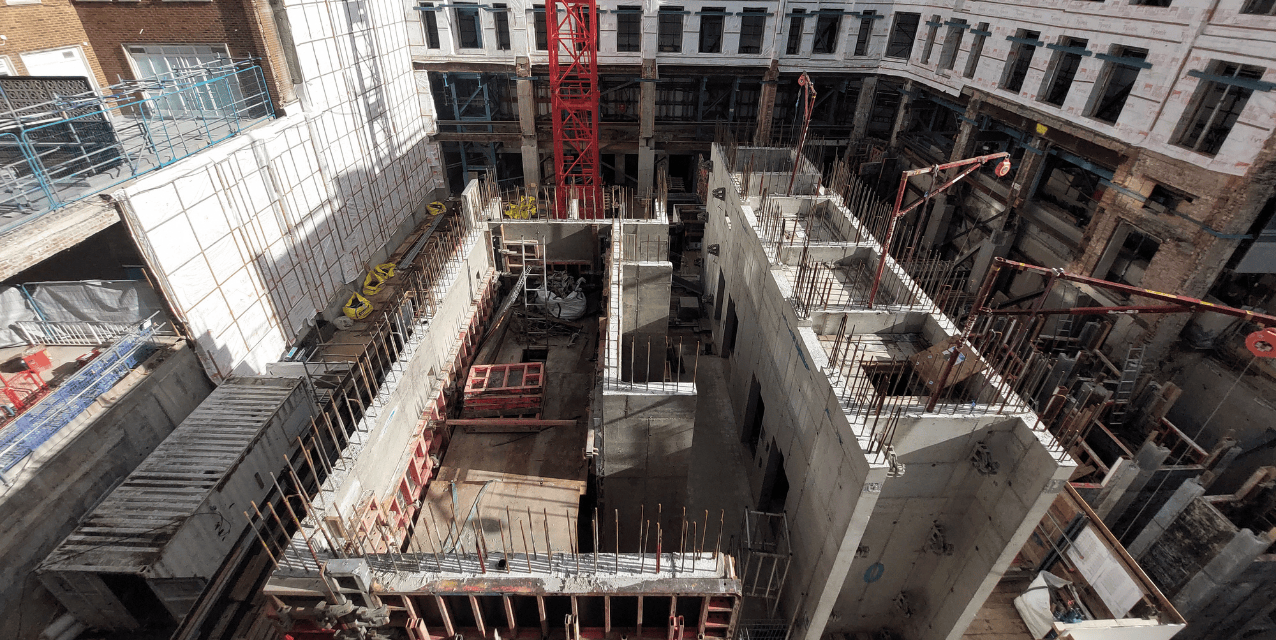
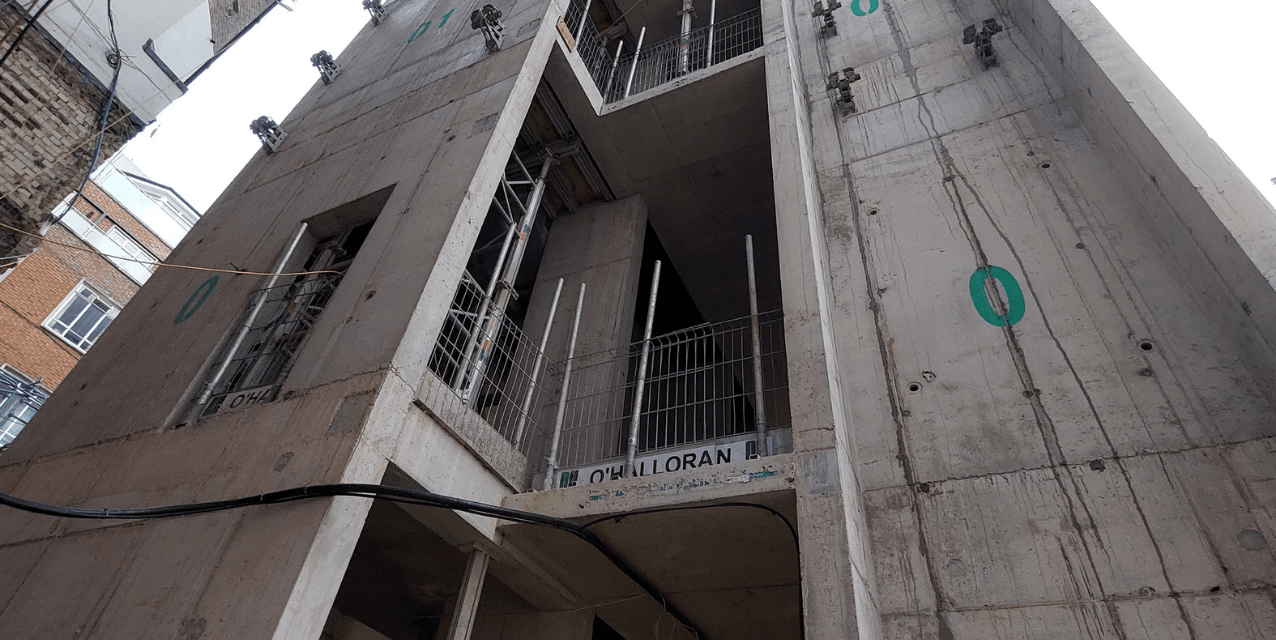
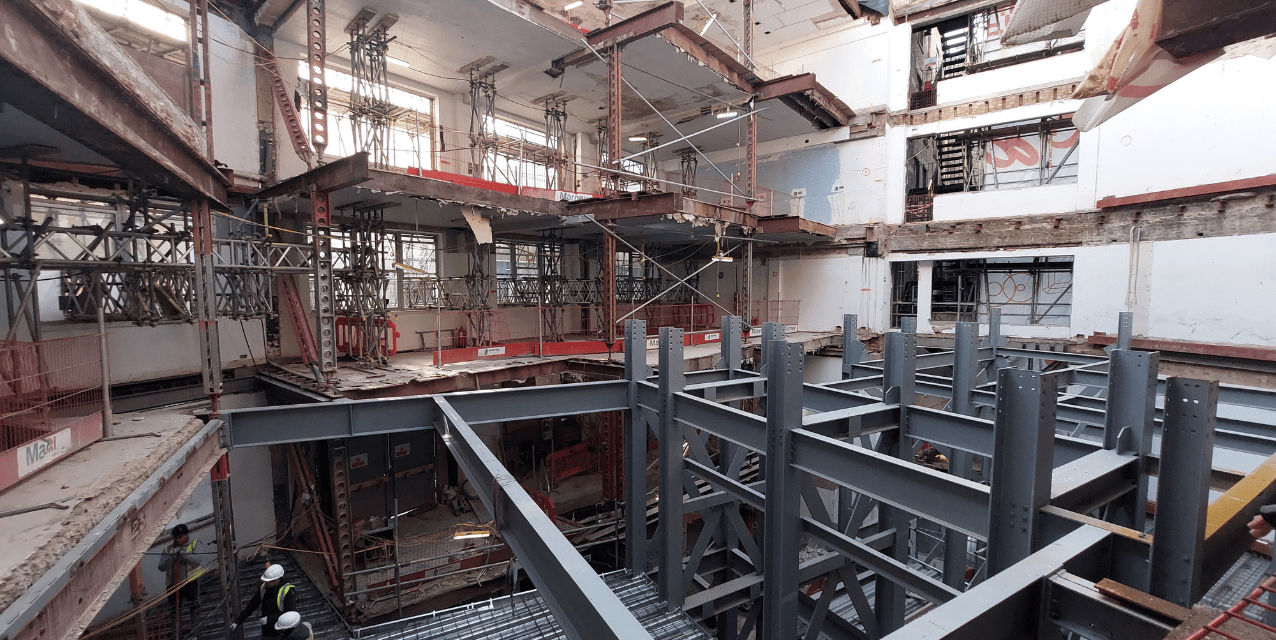
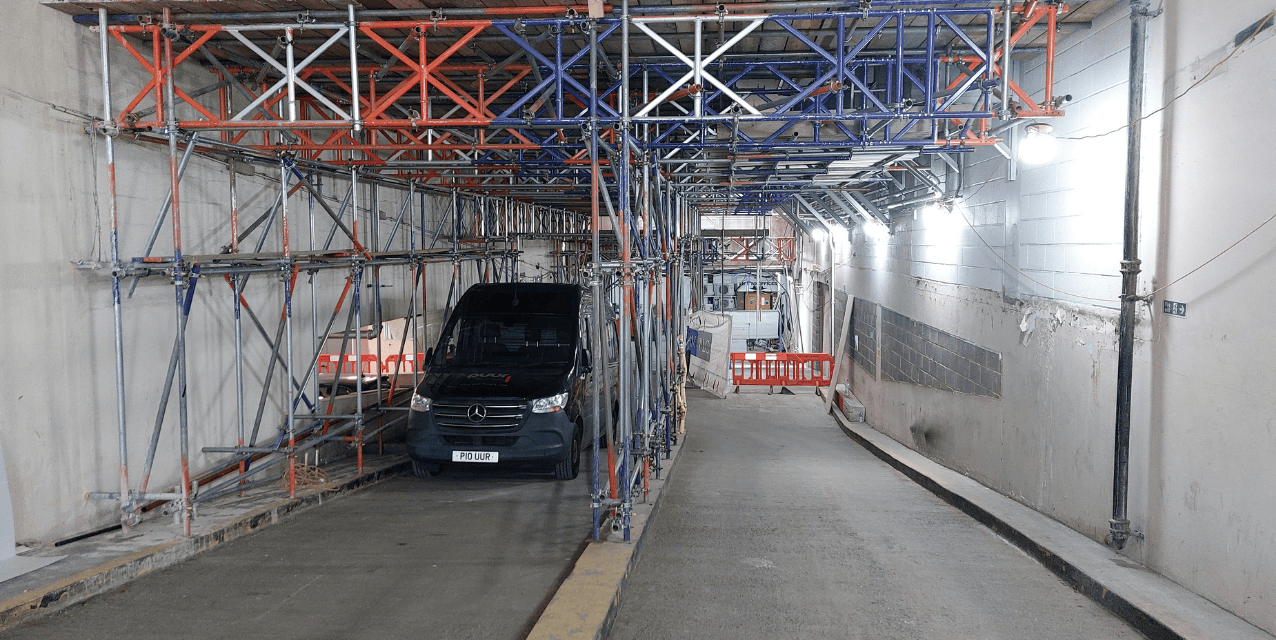
The regulations have helped shift industry culture from reactive to planned safety management. Rather than addressing hazards as they arise on site, CDM requires teams to identify and mitigate risks during the design phase, in order to help prevent problems before construction begins.
Despite these positive steps forward, as well as 32 years since CDM was first introduced, challenges do still remain. Many industry professionals still view CDM as a ‘tick-box exercise’, as opposed to a valuable safety risk management tool. This viewpoint highlights the need for continued education and cultural change within certain parts of the sector.
At SOCOTEC, our CDM team works to combat this complacency by demonstrating the tangible benefits of proper CDM implementation. With decades of experience across projects of all scales, from multi-million-pound developments to smaller refurbishments, we've seen firsthand how effective CDM coordination protects workers, clients and end users alike. With many clients being repeat clients to SOCOTEC, it shows that our core values are understood and our services seen as invaluable to support on their projects.
As construction projects grow more complex and sustainability requirements increase, the CDM principles established remain essential, if not more important than ever. The regulations are a framework where safety is woven into every stage of a project, from initial concept through to completion and ongoing maintenance, post-project finalisation.
For clients, designers, and contractors committed to best practice, CDM isn't a burden, rather a competitive advantage that demonstrates professionalism, reduces risk and ultimately saves lives.
Want to find out more about CDM?