1 /

    SOCOTEC Ireland

    Lloyds Datum -
    Testing, Civil, Plant and Monitoring services

    Supporting Ireland’s Infrastructure with Innovation and Expertise.

    Lloyds Datum brings together enthusiastic, experienced and competent teams from Lloyds Datum and Lloyds Acoustics. Together, they offer premium pile foundation testing, civil engineering services, and industry-leading geotechnical, structural, vibration, noise and dust monitoring.

    Clients choose us not only for our innovative technology and specialist equipment, but also for the trusted advice and expert service delivered by our professional team. Across Ireland and the UK, construction and civil engineering clients rely on our custom, state-of-the-art systems to build more safely and efficiently.


    background dark blue

    Lloyds Datum Group

    Built on 25 Years of Experience
    SOCOTEC Ireland

    Formed in 2019, Lloyds Datum is the new home of our experienced team highly respected within the construction and civil engineering industries. But our experience is much longer established, and our story is one of innovation, growth, investment and professionalism.

    In the 1990s, Lloyd Acoustics established its reputation by supervising the dynamic testing of deep driven precast concrete piles on Belfast’s cross-harbour rail link. The piling market and contractors across Ireland quickly saw the benefits of these types of testing as an advanced alternative to quality control foundations. It also saw us play a key role in introducing new technology and methods that are now often mandatory and ‘de-risk’ projects by eliminating the need for engineers to remain on-site for pile loading data.

    One of Datum Monitoring Ireland’s first major projects was on the Dublin Port Tunnel, providing geotechnical and structural monitoring of substructure underground soils and how works influenced above ground. The project was also our gateway to offering a wide variety of popular monitoring techniques that include, for example, improved telemetry technology that enables live data systems to monitor noise, vibration, dust, tilt and three dimensional movements.

    By coming together, we’re leveraging the synergies of both companies to deliver better for an industry that is driven by constant change and demands ever increasing economic efficiencies. 

    Formed in 2019, Lloyds Datum is the new home of our experienced team highly respected within the construction and civil engineering industries. But our experience is much longer established, and our story is one of innovation, growth, investment and professionalism.

    In the 1990s, Lloyd Acoustics established its reputation by supervising the dynamic testing of deep driven precast concrete piles on Belfast’s cross-harbour rail link. The piling market and contractors across Ireland quickly saw the benefits of these types of testing as an advanced alternative to quality control foundations. It also saw us play a key role in introducing new technology and methods that are now often mandatory and ‘de-risk’ projects by eliminating the need for engineers to remain on-site for pile loading data.

    One of Datum Monitoring Ireland’s first major projects was on the Dublin Port Tunnel, providing geotechnical and structural monitoring of substructure underground soils and how works influenced above ground. The project was also our gateway to offering a wide variety of popular monitoring techniques that include, for example, improved telemetry technology that enables live data systems to monitor noise, vibration, dust, tilt and three dimensional movements.

    By coming together, we’re leveraging the synergies of both companies to deliver better for an industry that is driven by constant change and demands ever increasing economic efficiencies. 

    Our Work in Action

    Discover how Lloyds Datum is making an impact across Ireland’s infrastructure and construction landscape.


    • decorative yellow quote
      SOCOTEC Ireland Fruit Warehouse Project

      Tropical Fruit Warehouse

      PJ Hegarty have contracted Lloyds Datum to monitor development works on a HJL Architecture designed scheme at Sir John Rogerson’s Quay, Dublin.


      View the project here

      Read + Read -
    • decorative yellow quote
      SOCOTEC Ireland Marienella Project

      One Wilton Dublin

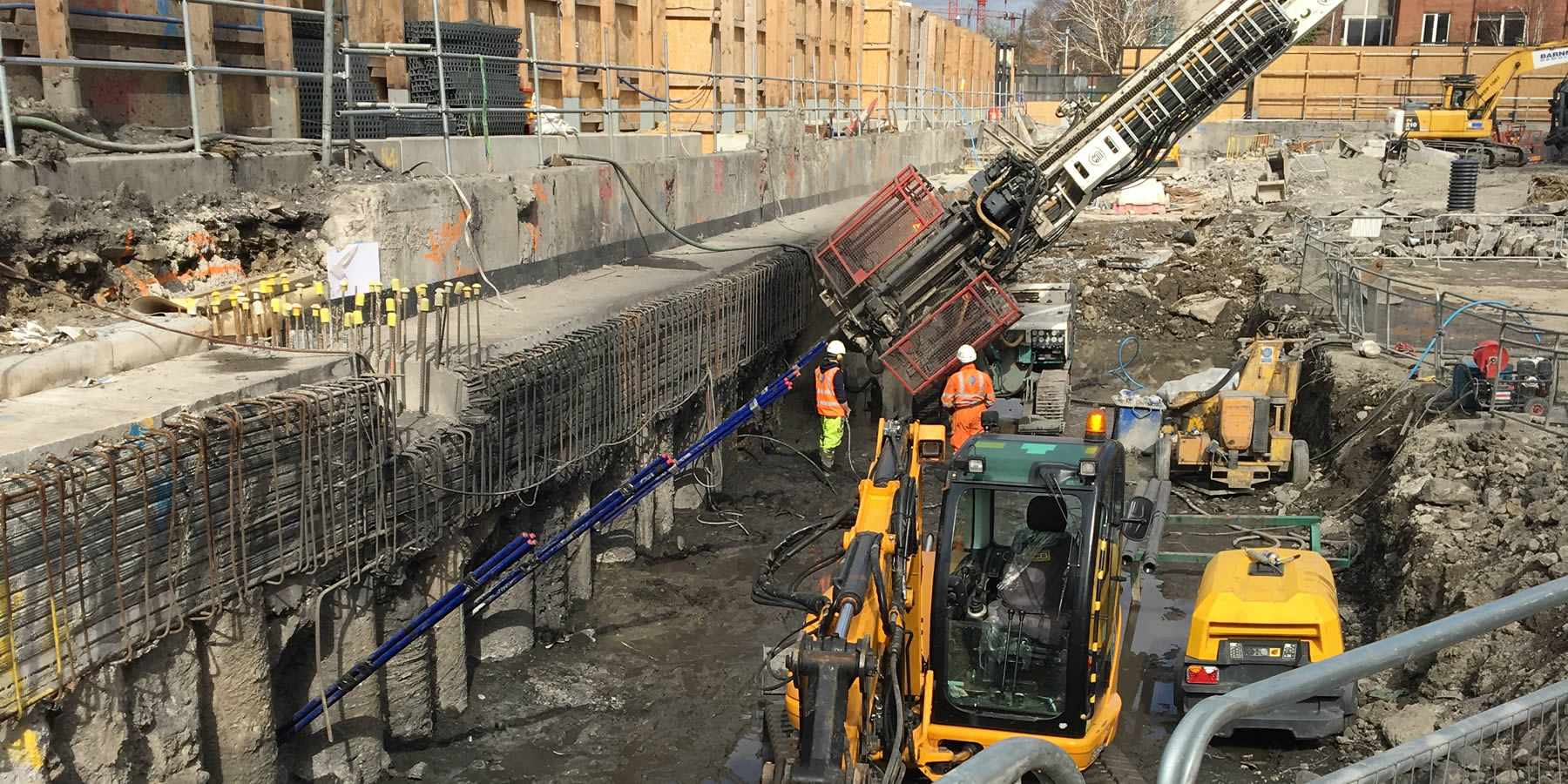
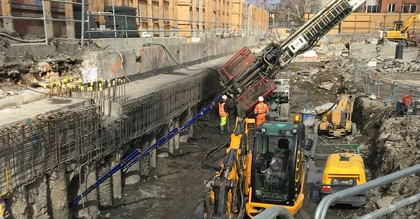
      Lloyds Civils were appointed by FK Lowry to install 91 temporary tie back anchors on their One Wilton, Dublin development.


      View the project here

      Read + Read -
    • decorative yellow quote
      SOCOTEC Ireland

      Northern Spire Bridge

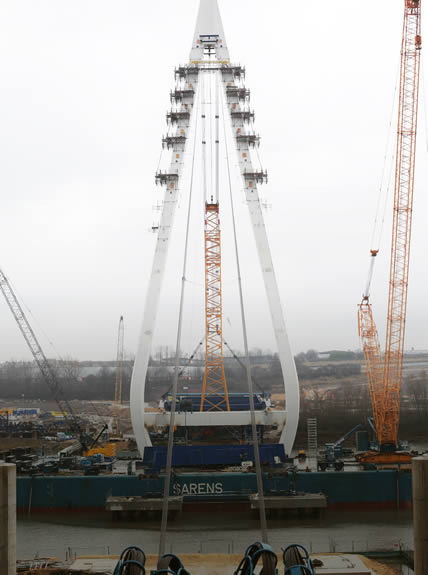
      Lloyds Civils were appointed by a joint venture of Farrans Construction and Victor Buyck to install temporary ground anchors on the Northern Spire Bridge at the New Wear Crossing, Sunderland.


      View the project here

      Read + Read -
    • decorative yellow quote
      SOCOTEC Ireland Marianella project

      marianelle development Dublin

      LDG Lloyds Testing were appointed by Brazil Piling and Foundations to carry out static, dynamic and integrity testing at Cairn Homes luxury Marianella Development in Rathgar, Dublin.


      View the project here

      Read + Read -
    01 / 05

    Lloyds Testing

    Lloyds Testing specialises in pile and foundation testing that reduces project risk while keeping costs down. Our team uses proven technology to test all types of piles during installation, giving you immediate results when you need them most. Whether you're working with concrete, steel, or timber piles, we can handle up to 30 tests per day and provide the technical data you need to make confident decisions about your foundation work.

    background dark blue

    Our Testing Services

    Dynamic Drive Analysis Testing

    Carried out during the impact pile driving of preformed concrete, steel tubular, steel ‘H’ and timber piles, Dynamic Drive Analysis Testing enables safe economical pile installation.

    Test results can be obtained in real time and the results show soil resistance to driving, hammer performance, dynamic pile stresses during driving and pile integrity, enabling formulation of the driving criteria for any pile.

    Dynamic Re-strike Testing

    Dynamic Re-strike Testing can economically evaluate any piled foundation and is usually carried out on at least 10-20% of the installed piles.

    Our experienced, efficient team can perform up to 30 tests a day, using the dynamic data to model the pile in the CAPWAP (Case And Wave Analysis Programme), evaluate the shaft to toe resistance distribution and simulate a static load curve. We can then correlate with factual static load testing to provide greater assurances on any piled foundation.

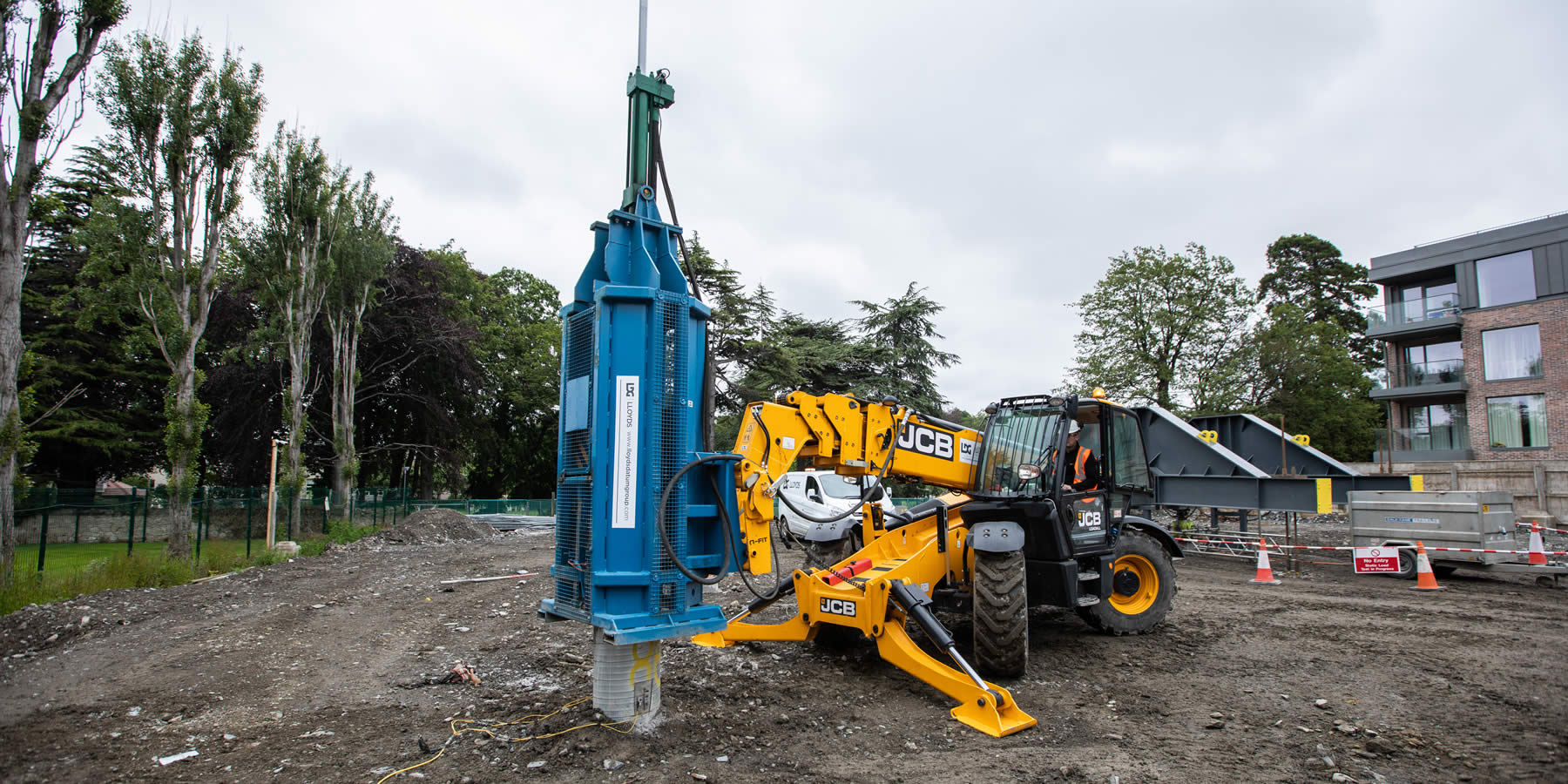
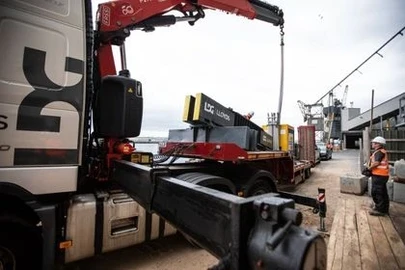
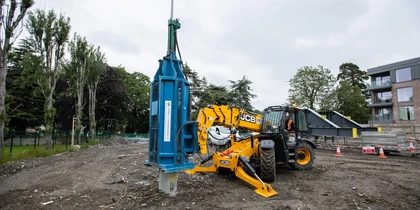
    We’ve also developed our own range of unique hydraulic drop hammers fitted to mobile JCB telehandlers to carry out Dynamic Load Testing on CFA piles and rotary bored auger piles.

    Stadia and sports grounds across Ireland, including Aviva, Kingspan, Glentoran and Croke Park, use LDG Lloyds to qualify their crush barriers and handrails, according to “Guide to Safety and Sports Grounds”, 5th edition, to evaluate crowd capacities and ensure they are compliant with insurance legislation.

    Pile Integrity Testing (PIT) is a non-destructive way of evaluating pile integrity and/or length and can be used for forensic evaluations on existing piles or quality assurance in new construction. We recommend performing the integrity test no sooner than 7 days after casting or after concrete strength achieves at least 3/4 of its design strength, whichever occurs earlier.

    Applicable to driven concrete piles and cast-in-place piles, the integrity test can be carried out where the pile head surface is accessible, above water and clean of loose concrete, soil or other foreign materials, allowing the connection between the sensor and concrete to be solid.

    A hammer, with or without force measurement unit, is used to impact the pile top and axially with the pile. A motion transducer can detect and record the reflected echoes of each impact or the average can also be calculated and used. When an acceleration transducer is used, the apparatus provides signal conditioning and integrate acceleration to obtain velocity and balances the velocity signal to zero between impact events.

    The Thermal Integrity Profiler (TIP) uses heat generated by curing cement to assess the quality of drilled shafts and of bored, augered cast in place, continuous flight auger or drilled displacement piles.

    It is also used for quality control and shape evaluation of jet grouting, slurry walls, and diaphragm walls. 

    TIP evaluates the entire cross-section and length of the foundation. Results are available when shaft installation is concluded and reveal necks or inclusions (regions that are colder than average), bulges (regions that are warmer than average), variations in concrete cover, and the shape of the shaft and cage alignment.

    Smart sensing cables fitted with uniformly spaced digital temperature sensors and are ordered separately depending on the length and quantity needed. The cables are tied to the rebar cage and cast into the shaft. Each cable string has a unique ID number which is read during concrete pour or cage being plunged via the main TIP unit.

    Recent system upgrades include using a cloud based server to evaluate data from any remote location while concrete is curing.

    Benefits of TIP

    • Pinpoints anomalies using temperature vs. depth vs. quadrant
    • Early testing speeds construction
    • Results in 12 - 72 hours
    • Evaluates concrete quality, cover & cage alignment
    • Avoids false positive issues
    • Only reports significant defects
    • Requires much less testing time onsite

    Cross Hole Sonic Logging (CSL) verifies the structural integrity of drilled shafts and other concrete piles. It offers increased accuracy than sonic echo testing in determining structural integrity soundness of concrete within the drilled shaft inside the circumference of rebar cage.

    How it Works

    1. Access Tubes Installed

    Installed before construction and filled with water, Access Tubes are typically 38 to 50mm diameter PVC or steel tubes tied to the inside of the rebar cage. The number of tubes depends on structure size and resolution required.

    2. Readings Taken

    After being lowered to the bottom of separate tubes, the source and receiver hydrophones are simultaneously lifted to measure the horizontal ultrasonic pulse velocity. The depth wheel controls the sample reading resolution, typically taken at 6cm intervals.

    3. Results Interpreted

    Uniform, good quality concrete promotes propagation of ultrasonic waves while voided, poor quality concrete gives longer ultrasonic wave travel times and lower amplitudes. A complete loss in signal means a substantial void is hindering the transfer of the signal between the hydrophones.

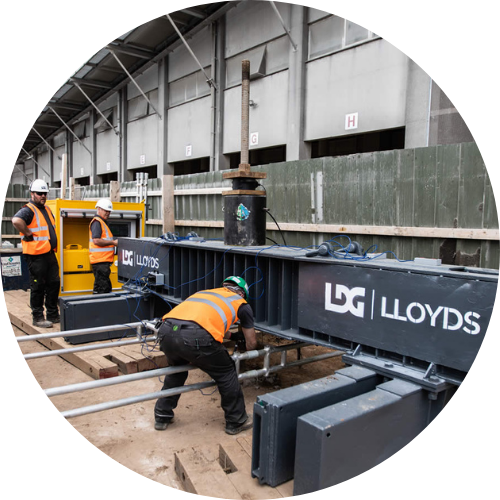
    Testing all types of ground anchors, anti-flotation anchors and tie back anchors including Glass Fiber Reinforced Polymer (GFRP), we offer a wide range of hollow jack systems and can test loads up to 5000kN.

    Our automated testing system can also carry out proving tests, giving both client and test engineer the advantage of increased efficiency. 

    Designed and built by us, our Automated Static Load Testing Systems can operate automatically and unattended, improving efficiency, reducing risk and promoting a safe working environment under hydraulic loading conditions.


    Used for both compression and tension tests, the system meets all industry codes around the world.

    Our large selection of test beams, ranging from 1MN to 12MN, are offered in pre-planned configurations or can be configured to fit almost any anchor configuration.

    In a working test, in accordance with ICE SPERWall 2017, the load is increased in stages and held for a specific time. At 100% DVL the load is released and a second cycle up to 100% DVL + 50% SWL applied. Maximum settlement and residual settlement are calculated accordingly.

    Lloyds Testing

    lloyds Civil

    Lloyds Civils delivers specialised ground engineering solutions including micropiles, slope stabilisation, and self-drilling anchors. We handle challenging ground conditions with micropile systems up to 324mm diameter, comprehensive slope stabilisation through soil nailing and rock bolts, and versatile self-drilling anchor installations for both new construction and structural strengthening projects.

    background dark blue

    Our Civils Services

    Micropiles

    Micropiles are small diameter (up to 324mm Diameter) drilled and grouted piles. They can be installed in all ground conditions. Micropiles can be compression piles. Tension piles are both depending on the requirements.

    Self-Drill Type Micropiles

    Self-Drill Type Micropiles are available up to 300mm in diameter. They are installed using a hollow bar which allows the hole to be flushed during drilling and, when at the required depth, grout is injected through the hollow stem forming the pile.

    Down the Hole Micropiles

    Down the Hole Micropiles are available up to 324mm in diameter and created using an air driven hammer drilling system. With this method, we simultaneously install temporary or permanent casing while advancing the borehole. This is used when the soils are not stable. Once a better stratum is reached, we can advance the bore hole using open hole drilling. Once the drilling is complete a cage or bar reinforcement can be installed and grouted into place.

    Rock Bolts

    Rock Bolts are used to stabilise exposed rock faces, rock cuttings, tunnels and bridges on infrastructure projects. Used to connect unstable rock to stable rock, Rock Bolts are usually installed into predrilled bore holes. The tendons are inserted into the bore holes and grouted into place. Self-drilling hollow bars can also be used as Rock Bolts. Once the Bolts are in place, they have face plates and nuts installed.

    Soil Nails

    Soil nails usually form part of the slope stabilisation and are commonly used with a soft facing allowing the slope to be vegetated. Soil Nails are installed on slopes through the unstable zone into the stable zone of the slope.  This is possible by drilling and installing a tendon. In self-supporting ground this can be in the form of solid steel tendons or GFRP bars. In loose or collapsing ground they are installed by using self-drill hollow bar systems. Once the nails are in place, they have face plates and nuts installed.

    Slope Facings

    Once the Rock Bolts or Soil Nails have been completed a facing may be required. The main types of facing are:

    Hard: provides a rigid restraint over the entire face, this can be carried out using steel mesh and shotcrete.

    Flexible: acts as a structural element but allows for deformation before design strength is mobilised.

    Soft: providing non-structural erosion control reliant on establishing vegetation.

    Ground Anchors

    Ground Anchors are a load transfer system designed to transfer the forces applied to it into a competent stratum.

    Used in a wide variety of applications in the civil engineering and construction sectors, Ground Anchors retain structures such as Bored Piles Walls, Sheet Pile Walls, Basements, Bridge Foundations, Marine Structures and for temporary works during construction phase works.

    Ground Anchors can be installed into all types of ground conditions and at various angles to suit the requirement of the structure it is retaining.

    Ground Anchors: Active and Passive

    Active Anchors are pre-tensioned before the it takes up the load, which prevents distortion to the structure.

    Passive Anchors are only tensioned by the structure itself applying load to it.

    Anchors are designed to be either Temporary or Permanent, with Temporary Anchors having a design life of 2 years.

    Permanent Ground Anchors can have a lifespan of 120 years if they have Double Corrosion Protection Applied (DCP). DCP is defined in BS8081 and consists of factory pre-grouted encapsulation of the bar within a corrugated plastic sheath.  Galvanising is a method of providing single corrosion protection providing an extended design life.

    Ground Anchors Tendons come in various forms:

    Solid Thread Bars – ranging from 15mm up to 75mm Diameter with Ultimate loads up to 4572 kN

    Hollow Bars - ranging from 25mm up to 103mm diameter with ultimate loads up to 3700 kN

    Strand Anchors - 15.7mm Diameter Compacted Strand. Single Strands have an Ultimate Load of 300 kN. You can install between 1 and 30 Strands per Anchor bundle.

    Removable Strand Anchors are strand anchors with a built-in rupture point of 220 kN. When this load is applied the strand can then be removed.

    GFRP Cuttable Bar Anchors are 32mm Diameter Glass Fibre Reinforced Polymer bars with an ultimate load of 320kN, these can be installed as single bar anchors or Multi Bar bundles.

    Ground Anchor installation is carried out by the drilling of a borehole, the installation of the tendon and grouting of the tendon in the borehole.  The two main methods we use are Rotary Percussive Drilling(Top Hammer) and Down The Hole Hammer (DTHH).

    Top hammer drilling can be carried out using air or water to flush the material from the borehole. We use this method to install self-drill hollow bars, allowing us to advance the anchor bars to depth then grout through the hollow stem in the bars.

    Down the Hole Hammer bore holes are created using an air driven hammer drilling system.  With this method we simultaneously install Temporary or Permanent casing while advancing the borehole. This is used when the soils are not stable. Once a better stratum is reached we can advance the bore hole using open hole drilling.

    lloyds civil

    Datum Monitoring

    Since 2005, we’ve been building a reputation for delivering exceptional service from consultation to completion.

    Along the way, we’ve also established ourselves as an industry leader, trusted by clients in construction, the railways, utilities, infrastructure, environment, energy and mining.

    Our team strive to sustain a level of excellence that consistently exceeds expectations whatever the project, from small renovation to commercial construction at scale.

    background dark blue

    Our Monitoring Services

    Our innovative range of products can be used individually or combined to form a system.

    Our expert, experienced teams with work with you to tailor make solutions specific to your circumstances.

    CombiMATE

    Datum are proud to be the sole dealer and calibration provider for Instantel products nationwide. Datum designed and fabricated a portable easy to carry case which hosts an Instantel Micromate with combined Sound level Microphone. Utilisng the external siren with amber and red LED lights, local site personnel can be assured of knowing a threshold has been exceeded should it arise.

    Further options are available such as a 4G/LTE router to allow for streaming of vibration and noise data back to Datum's Presentation Suite or designated email addresses.

    Track Sensors

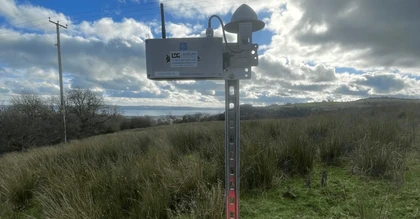
    Our wireless, battery operated Track Cant Monitors are specially designed to be easily deployed, does not have to be removed for normal machine track maintenance and is built to last. You can use it as a standalone unit or as part of a system to monitor a complete section of track.

    Slope Array

    A cable free, modular and easy to install monitoring system for slope stability, the Slope Array is fully length-adjustable and fitted with interchangeable sensors. Each sensor is attached to the next and lowered into a standard inclinometer tube. The system is available in uniaxial or biaxial options.

    Void Detection

    Our cable free, compact, portable and highly durable track void monitoring system can be programmed remotely to continuously record track stability, giving Permanent Way Managers continuous access to dynamic track void readings on their phone or at their desk. This crucial information allows you to anticipate potential failures, schedule safety work safely, reduce the cost of repairs and improve safety and the customer experience.

    Each VoidMate is easy to install and relocate and can be configured to alarm and alert any number of recipients by SMS and email.

    Rail Temperature

    An innovative, automated critical rail temperature monitoring system gives Permanent Way Managers track temperatures in real time, allowing them to anticipate potential failures, avoid unnecessary speed restrictions and minimise risks associated with working on the line.

    Sustainable, cable free, compact, portable and highly durable, Rail temperature sensors can be fitted in less than a minute. Internal Li-Ion batteries shall last for over a year at 10min sampling.

    It can also be remotely programmed to send alarms to any number of recipients by email and or SMS. Data is streamed to our secure Presentation Suite for easy access from your phone or desktop.

    Dataloggers

    Our wireless data-logger can record data from multiple wireless or direct bus monitoring systems such as vibrating wire, analogue or digital sensors.

    This plug and play device is easy to programme and is equipped with a fixed IP Cellular Router to stream data to our Presentation Suite or any a data repository of your choosing.

    Presentation Suite

    Datum's innovative data presentation solution provides you easy, continuous access to your data from any device via an engaging, interactive user experience while processing large volumes of sensor data, performing complex calculations and providing real-time alerting.

    Datum's Presentation suite integrates seamlessly with the remote monitoring equipment supplied and installed by Datum, providing a unique end-to-end solution that gives you everything you need to understand and maximise the value of your data.

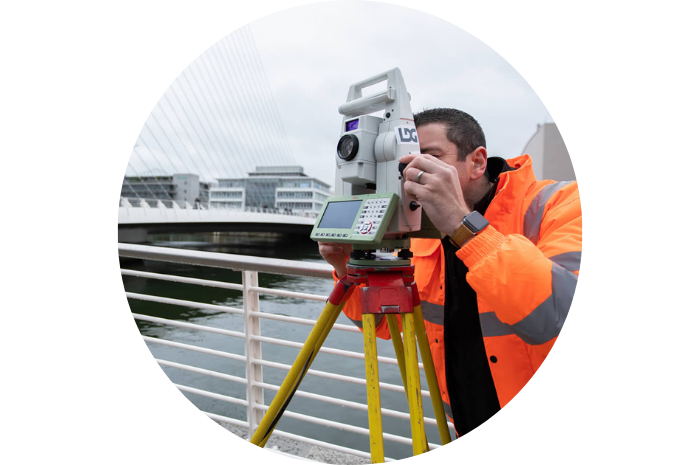
    Specialist Surveying Services for Every Sector.

    Our Surveyors and Monitoring Technicians work across Ireland and the UK and in many sectors providing 24 hour asset detailing and condition monitoring using the most advanced topographical survey equipment, GNSS positioning systems and laser scanners.

    Our range of services includes everything from 1D and 3D observations to modelling complex structures in many formats.

    Surveyors and CAD Technicians quickly process data into formats for modelling and design, while our Survey Managers design, install and operate automated 3D monitoring systems to assess structural movement and settlement from tunnelling and earthwork activity.

    Our land surveys and monitoring services include:

    • Precise level survey & monitoring
    • Manual and automated 3D monitoring
    • Infrastructure surveys
    • Rail surveys
    • Deformation surveys

    Our Technicians are trained to access and set up safe work systems including:

    • Railway access competency
    • Working at height
    • CSCS and CPCS, Safepass (Ireland)

    Automated 3D Monitoring

    Our automated 3D monitoring systems are designed for pre, during and post construction, and can be operated where traditional techniques are not practical or economical. They provide accurate positional information that correlate to known benchmarks – especially effective when monitoring track geometry structural and embankment stability.

    We’ve invested heavily in remote controlled 3D, photographic and laser scanning technology systems and software to make the data capture process and presentation of information more efficient and effective. These systems are capable of recording data 24hrs, 7 days per week, uploading data to secure webpages for continuous review.

    Topographical Surveys

    We can determine the terrestrial or three dimensional position of points, and the distances and angles between them, using software applications to present survey plans and cross-sectional information to the level of detail you require.

    Rail Surveys

    We measure rail position and geometry using traditional surveying techniques, handheld gauges, laser sweeps, and for measurements such as Cross Level (Cant), Twist, Gauge, Versine and Horizontal/Vertical profiles. We’ll often measure these alongside the other elements of the railway corridor including embankments, slopes, drainage, signalling and overhead features.

    Deformation Surveys

    Systematically measuring and tracking the alternation in the shapes or dimensions of an object, often as a result of construction activity stresses, we choose from a range of methods and measurement frequency dependent on the application.

    Setting Out Services

    Transferring the co-ordinates of a building, road or structure from design drawings to the site, we take into account the project specification and ground conditions and use the most appropriate, accurate method.

    Please click here to login

    Datum Monitoring
    background dark blue

    Lloyds Datum

    Datum Calibration Services
    Lloyds Civils

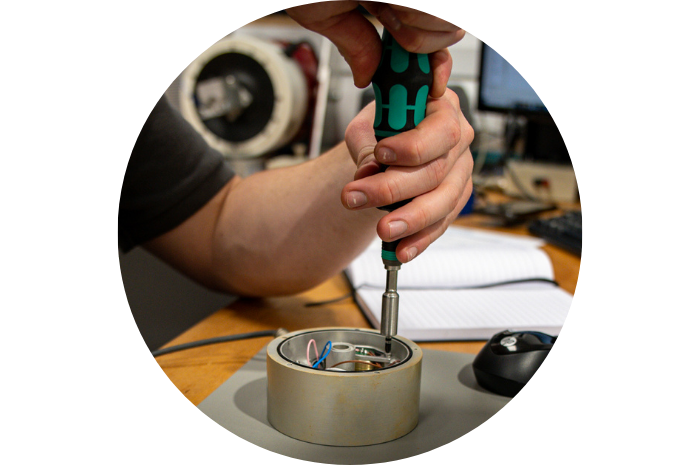
    Welcome to your new one stop location for the both the sale and calibration of your Instantel equipment.

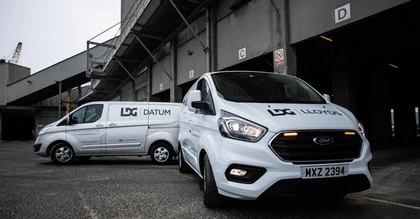
    Datum Monitoring Ireland Ltd, trading as LDG Datum, are the new official Instantel distributer and certified calibration centre for England, Scotland, Wales, and Northern Ireland. We offer our clients a cost effective and efficient service for all Instantel products.

    To request your calibration please complete the enquiry form.
    Alternatively, please contact our office on +44 (0) 2892 610 525

    Request calibration here

    Welcome to your new one stop location for the both the sale and calibration of your Instantel equipment.

    Datum Monitoring Ireland Ltd, trading as LDG Datum, are the new official Instantel distributer and certified calibration centre for England, Scotland, Wales, and Northern Ireland. We offer our clients a cost effective and efficient service for all Instantel products.

    To request your calibration please complete the enquiry form.
    Alternatively, please contact our office on +44 (0) 2892 610 525

    Calibration Services FAQ’s

    Why should you calibrate your equipment?

    Calibration is very important to ensure your equipment is measuring accurately and within specification. A seismographs accuracy will drift over long periods of time and quicker if used in harsh environments or misused.

    How often should you calibrate?

    It is recommended to have an annual calibration of all Instantel products which include seismographs, geophones, microphones and accelerometers, this ensures accuracy of readings.

    Additional calibrations are also recommended if the seismograph has experienced water or other significant damage, if it has experienced any mechanical or electrical shock, or if any of the internal sensors have been tampered with.

    The Importance of a manufacturer certified calibration?

    Certified Calibration using a manufacturer certified facility ensures that proper procedures are followed when calibrating your equipment. This removes any uncertainty associated with the reliability and measurement accuracy and ensures the integrity of the measured record if it is ever called up as evidence in a court of law.

    Calibration facilities that are certified by the manufacturer have access to test specifications and procedures designed specifically for your equipment. They will also ensure that any replacement parts that are used meet the specifications for the equipment. If your equipment requires repair, the manufacturer has the best experience and knowledge to diagnose and fix the problem.

    It is in your best interest to have your equipment calibrated by the specific manufacturer or their authorised agents. There are individuals and companies worldwide that are not certified by the manufacturer to perform vibration monitor calibration yet continue to do so. Using unauthorised facilities may cause problems in court.

    Is a Sensor Check a calibration?

    No, a Sensor Check is not a calibration. Sensor Checks do not compare the measured results against an external reference sensor, nor do they test the electronic circuits that are integral to the sensor’s response.

    The Sensor Check is designed to provide information on the setup and installation of the sensors connected to your monitoring unit. Using the sensor check before you begin monitoring reduces error in the data that may be caused by an incorrectly installed or connected sensor. For example, if a standard geophone was not level, or was installed upside down, the Sensor Check would display a failed sensor.

    A Sensor Check is a good indicator that the sensors and unit are working and installed properly. However, it is not a calibration check and does not replace the calibration process.

    What about repairs?

    Our technicians will also be able to carry out repairs in line with Instantel certification.

    Is warranty covered on service?

    LDG Datum provides a limited services warranty of ninety days. Clink link for download of Service and Calibration Warranty.

    background dark blue

    Let's Talk

    Lloyds Datum are here to support all of your Testing, Civil, Plant or Monitoring needs

    Discover our latest News & Media

    Filter by :
    Tags
    Period
    Event Type
    Free