Need some advice?
Leave your details and we will get in touch.
I want to be contacted by an expert
1 /

Getting the wrong coating for your project can be costly.
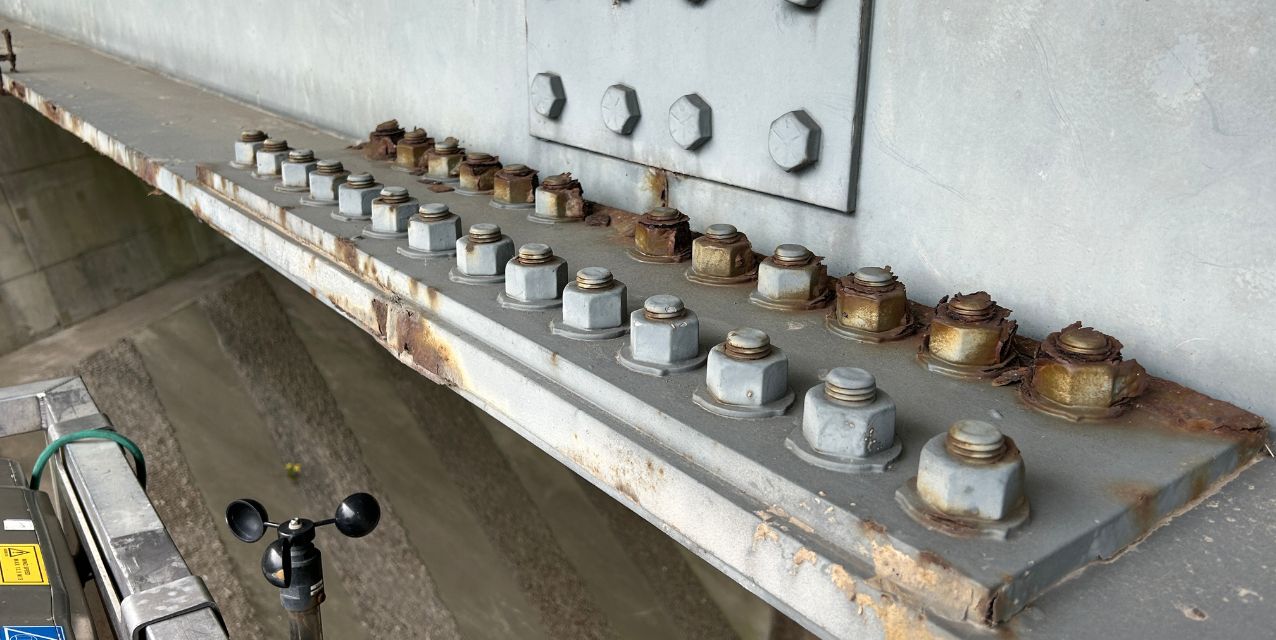
Coating failures can cause billions of pounds to be lost annually due to corrosion, with 60-90% of coating failures being able to be traced back to inadequate preparation. This, in turn, can lead to higher rework costs and disruptions to operations and revenue due to the time and products required to replace the insufficient coating.


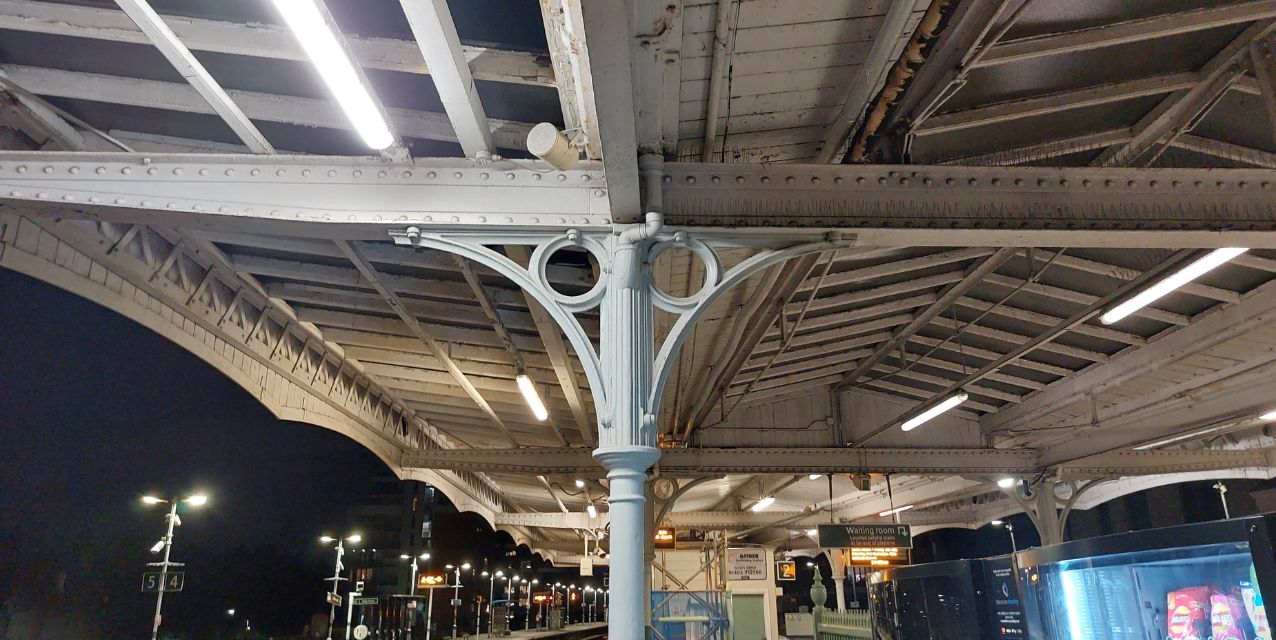
SOCOTEC’s Coatings experts helped both Network Rail and National Highways with the writing of the NR Standards and CG, CD, CC, CM, and GC standards, detailing the necessary requirements for paints and coatings processes. The guidance and information in the standards can be difficult to understand so our team can assist with client projects with our in-depth understanding of these documents.
The costly impact of failed coatings can be prevented through testing to ensure specification compliance, risk mitigation, and asset protection.
In the CG 303 standards for the quality assurance scheme for paints, the testing requirements for samples are outlined for quality control samples for highways. This includes an examination of the sample, application and appearance of the sample, gloss testing for finish/topcoat products, density of the sample, surface drying time and through drying time of the sample, minimum overcoating time, visual colour comparison, volume solids test, and volatile content test.
Independent lab testing confirms the coating materials meet specifications and performance requirements before field deployment. Key laboratory tests include the analysis of chemical composition and physical properties, performance testing, and quality verification. These tests consider the viscosity, density, adhesion, chemical resistance, and batch consistency.
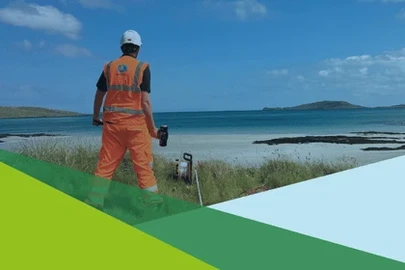
In the CM 431 standards for the maintenance painting of steelwork, there are guidelines for the on-site inspections and surveys of steelwork corrosion to determine what condition the structure is in and whether it needs re-painting. The decisions made here can impact the cost of running the road network by millions of pounds.


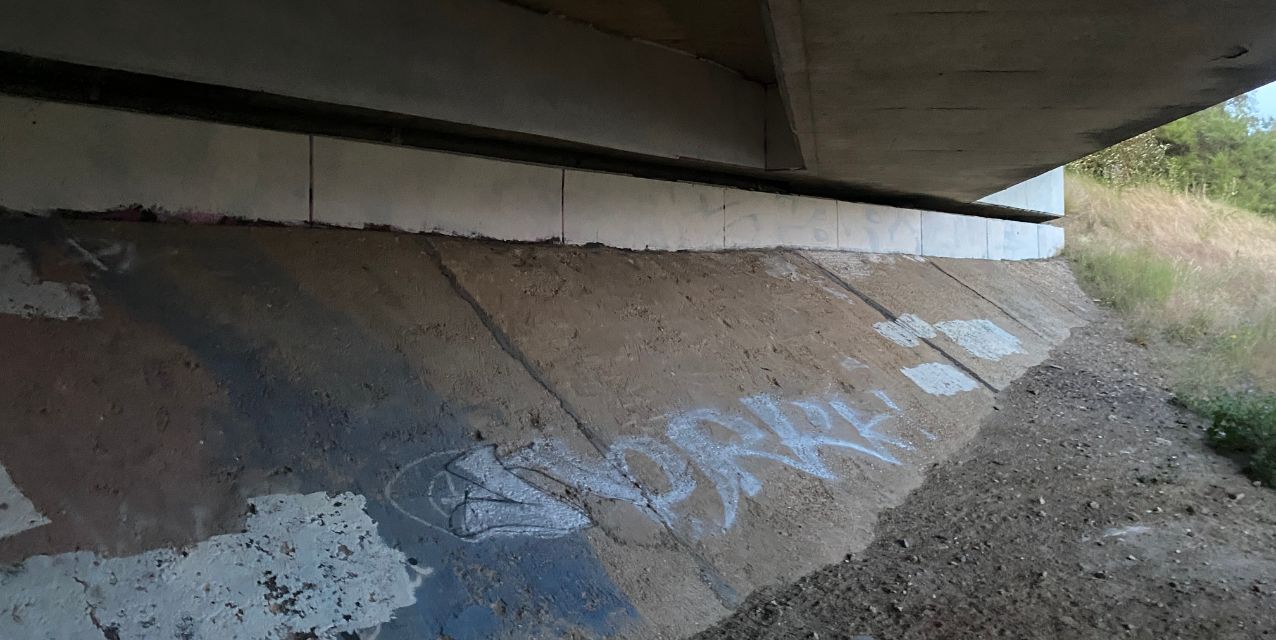
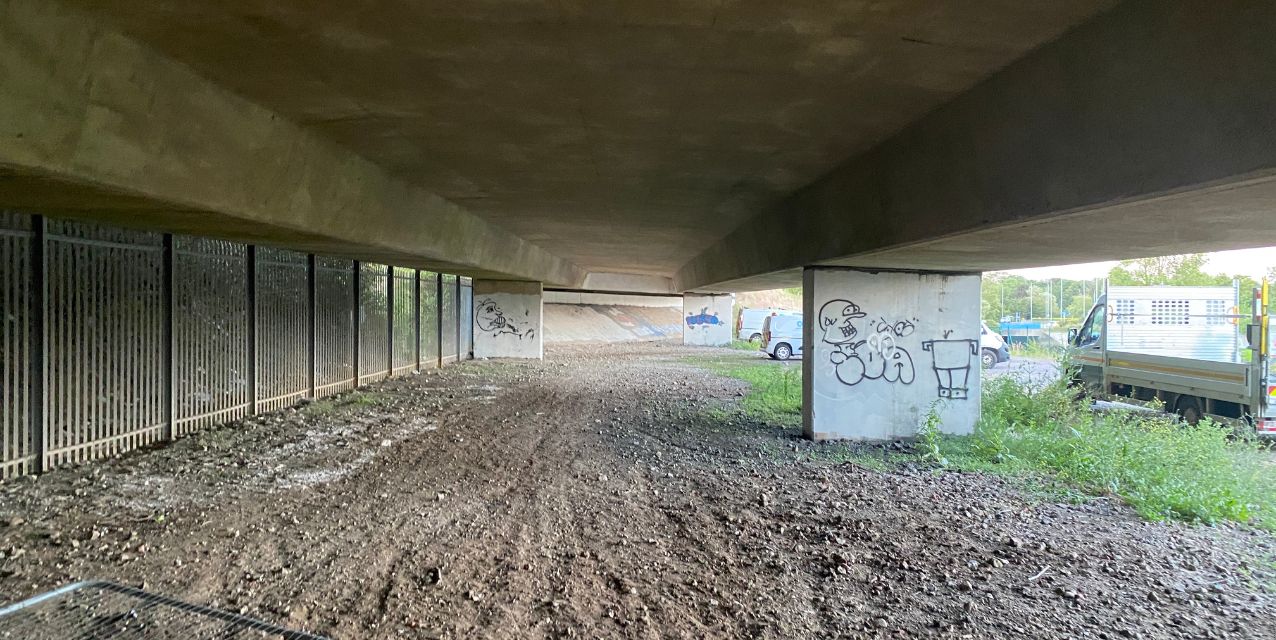
Pre-application testing is vital as proper substrate preparation and environmental controls are key to coating performance and validates readiness before the coating application begins. These critical pre-application tests involve surface cleanliness, surface profile verification, material identification, environmental monitoring, and ensuring the specifiers/manufacturers requirements are sufficiently met.
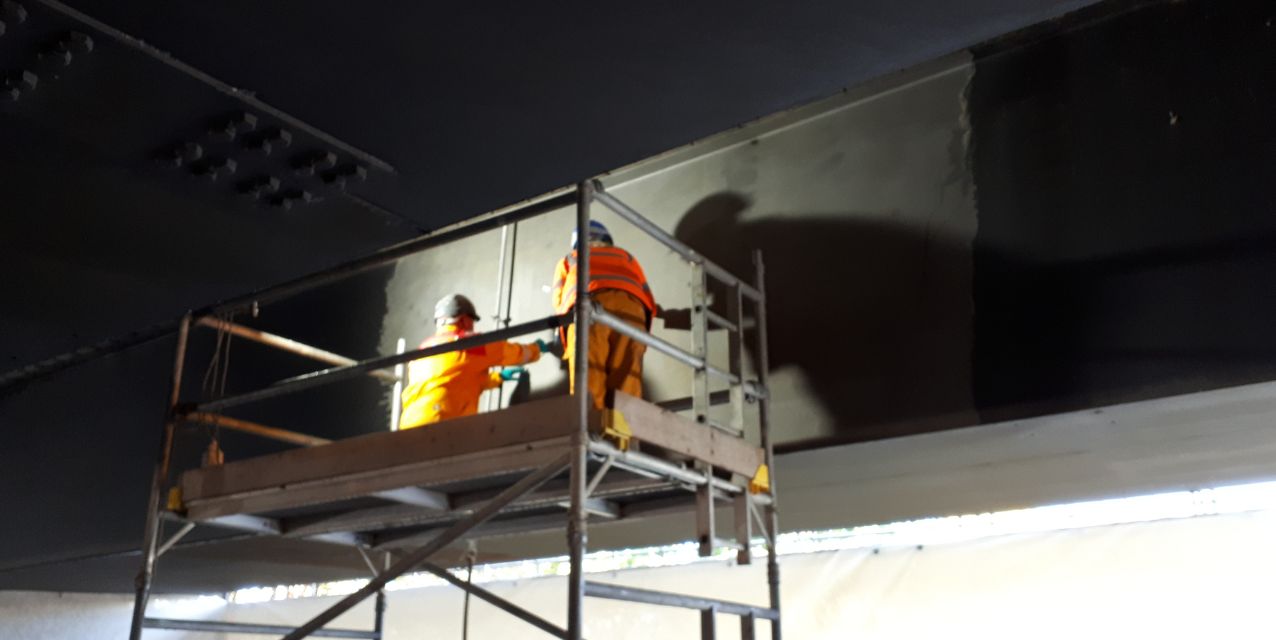
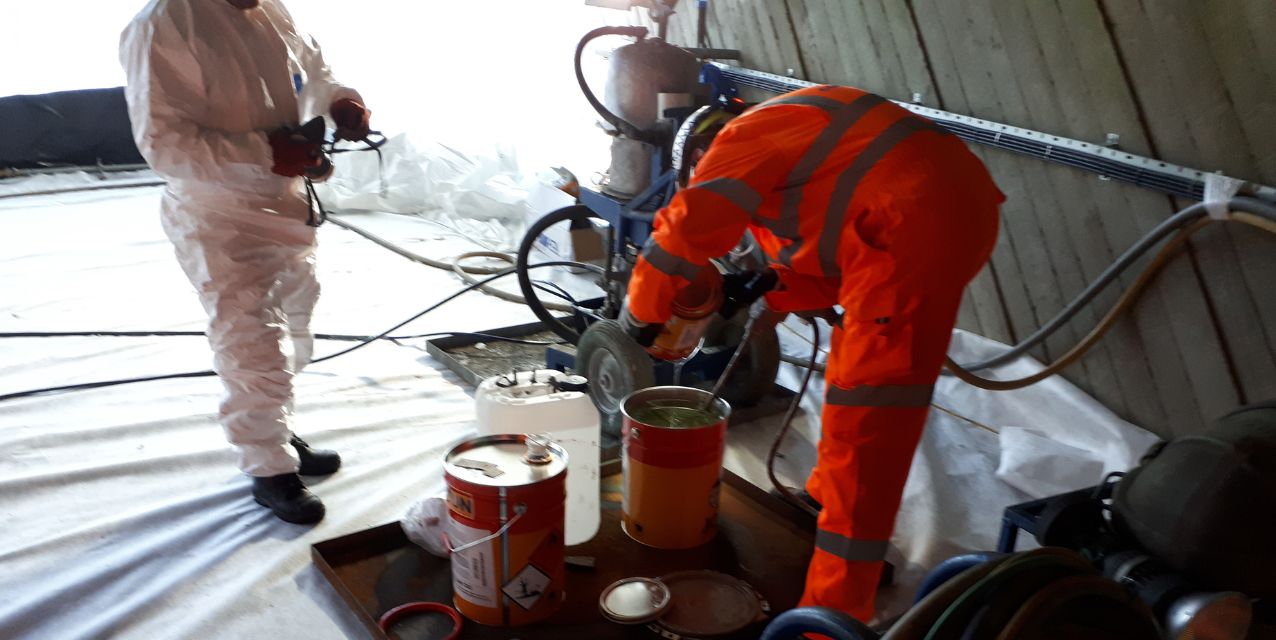
Then during-application testing takes place with continuous monitoring and testing during the coating application stage in order to ensure specification compliance and defects which could advance into failures are prevented. This stage analyses the environmental conditions the coating is exposed to, including equipment verification, application assessment, and wet/dry film quality.
Post-application testing checks the specified parameters of the coating, including physical testing of the dry film thickness, adhesion, surface finish, and cure assessment. There is also documentation of this – non-conformance reports, photographic evidence, and comparisons to the specification.
In the NR/L2/CIV039 standards, the tests for paints used on the network rail network are listed, including seven tests on liquid paints, eleven tests on applied coatings, and eight tests on complete systems.
Conducting these tests ensure the coatings used are sufficient for their environment, avoiding costly failures from corrosion. For more information regarding SOCOTEC’s coatings testing services, please contact us.
Want to find out more about...