
Nationwide Gas Valve Verification Programme
Challenge
Gas distribution networks across the UK contain valve assets that have been in service for many decades. Over time, network alterations, environmental changes, resurfacing works, vegetation growth and legacy record inaccuracies have resulted in asset information becoming outdated and unreliable.
Gas valves themselves are among the most critical assets within any gas distribution network. In the event of a gas escape, third-party damage, network failure or planned maintenance activity, operators rely on accurate valve records and accessible isolation points to protect the public, safeguard engineers and maintain supply continuity.
The challenge was to verify the location, accessibility and operational status of over 100 critical valve assets across the UK’s network, ensuring that gas network operators had the ability to respond quickly in emergency situations and maintain network resilience.
Project Description and Background
The gas valve verification programme was established to address gaps in asset intelligence across gas distribution networks. Valve surveys are essential for public safety, emergency response, network resilience and risk-based asset management, as they can ensure that critical isolation assets can be located, accessed and operated when needed.
Working with gas network operators across the United Kingdom, SOCOTEC UK & Ireland ran a verification programme which covered over 100 valve assets. The programme provided enhanced asset intelligence, improved emergency preparedness and delivered greater confidence in the integrity and accessibility of the valve population.
The project addressed fundamental operational challenges faced by network operators, such as incorrectly mapped valve locations, decommissioned assets still appearing in records, as well as buried and inaccessible chambers.

Solution
SOCOTEC designed and implemented a multifaceted valve verification strategy that combined advanced surveying techniques, rigorous asset inspection protocols and systematic data validation processes.
The verification programme was complex as there was a need to tackle a range of different areas. This included the verification of valve locations using GPS technology, asset record validation against site conditions, detailed chamber inspections, and accessibility assessments to confirm operational readiness.
The programme was additionally used to identify tag verification and replace where necessary, visual condition assessments, comprehensive photographic evidence collection, GIS validation to correct mapping errors, and defect reporting with prioritised remediation recommendations.
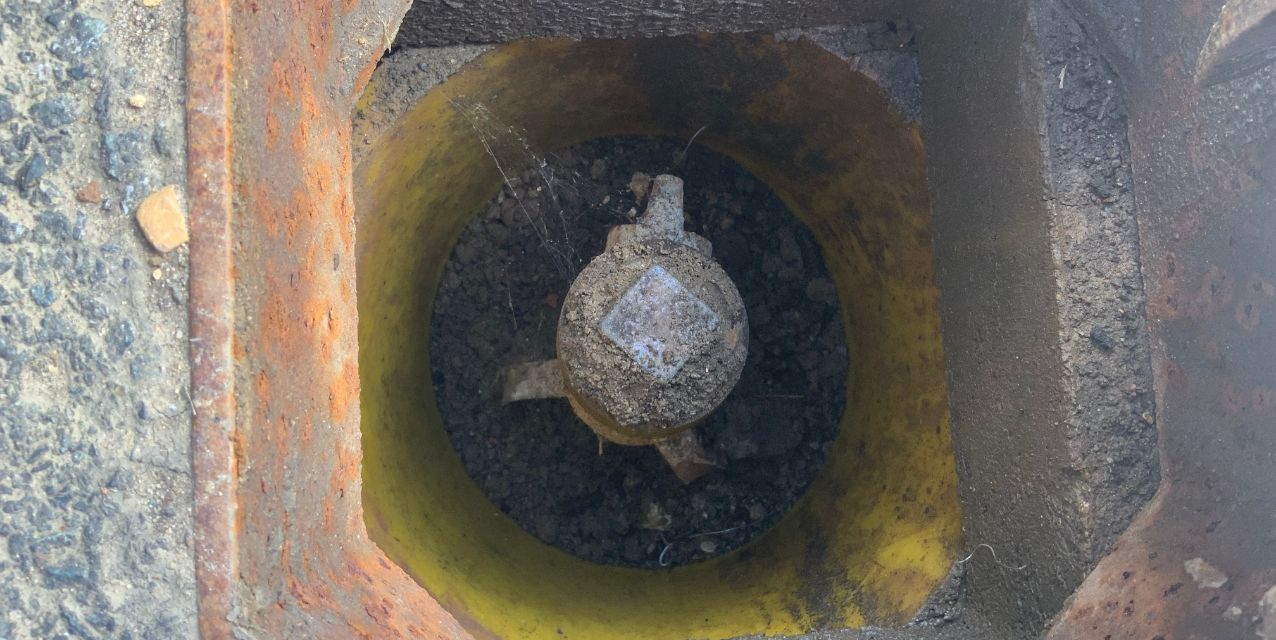
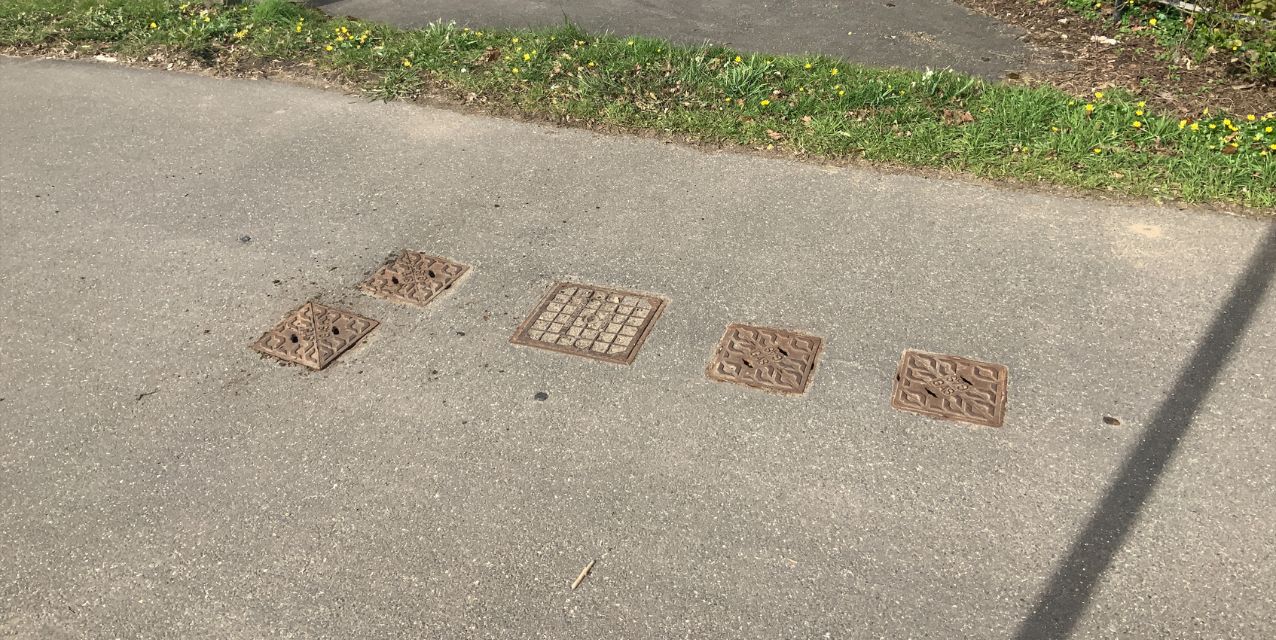
Surveyors conducted systematic field assessments across all 100+ valve locations, comparing actual site conditions against historical asset records. Each valve was assessed for physical accessibility, structural integrity of chambers, visibility of identification markers, and operational readiness.
The programme revealed the scale of asset intelligence challenges facing network operators. While carrying out the programme, surveyors identified incorrectly mapped valve locations that would have delayed emergency response and decommissioned assets still recorded as active. Other discoveries included buried and inaccessible chambers which required excavation, extensive overgrown vegetation preventing access, missing or damaged identification tags, and significant asset record discrepancies requiring correction.
Critically, over 95% of valves surveyed needed either routine maintenance, asset record updates or retagging, showing that without systematic verification programmes, network operators cannot rely on legacy asset data for emergency response planning.
Conclusion
SOCOTEC delivered a valve verification solution that transformed the quality and reliability of critical asset intelligence across gas distribution networks.
The programme completed over 100 valve surveys across the UK, verified and updated asset records, identified and reported accessibility issues requiring remediation, corrected legacy record discrepancies that had accumulated over decades, and significantly improved emergency response readiness across the network.
The project demonstrated that valve verification surveys are not optional administrative exercises but critical components of effective network risk management and long-term asset stewardship.
By combining rigorous field inspection protocols, systematic data validation, and thorough reporting, the programme enhanced public safety, strengthened network resilience, and provided operators with the reliable asset intelligence required for effective emergency response and planned maintenance activities.
Want to find out more about...
Discover our latest News & Media
Geophysics to Support Ground Investigation: Reduce Risk and Improve Ground Understanding

The Competency Framework for Fire Risk Assessors: The Practicalities

An Introduction to LSTC Group and Their Role in Nationally Significant Infrastructure Projects (NSIPs)
A Practical Guide to BS EN 13501-1 Classifications with UKTC
Bioremediation Field Applications: Delivering Effective In-Situ Remediation Solutions
Hydrographic Surveying: More Than Just Mapping the Seabed

SOCOTEC set to double Irish workforce by 2030 as part of huge investment