SOCOTEC organises key antidisciplinary workshop to address concerns within AEC industry
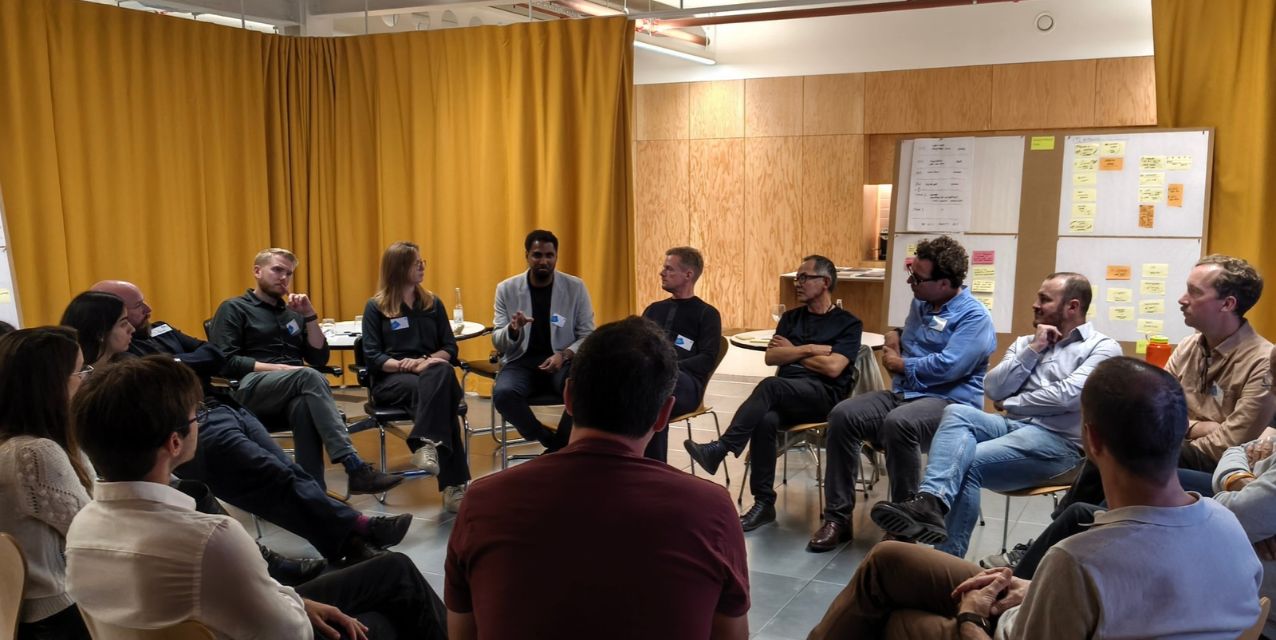
On 7th October, SOCOTEC UK & Ireland hosted a session entitled ‘Better Teams Deliver Better Buildings’ at Fletcher Priest Architects’ London studio, bringing together professionals from across the architecture, engineering and construction (AEC) sectors.
The session aimed to explore how teams can work more effectively together during the design stage, using an ‘antidisciplinary’ approach to collaboration, which aims to break down the silos of disciplines, as Manel Heredero and Major Projects Director for event organisers, SOCOTEC UK & Ireland, Xavier Aguiló, termed it.
Industry professionals from Fletcher Priest, Eric Parry, Haptic, Grimshaw, Grafton, Evolve, Momentum, Plan A, and Column Robotics joined the session, which, rather than a conventional presentation, was structured as a highly participatory workshop, followed by informal networking drinks.
Limited places ensured a focused discussion among professionals spanning architecture, engineering, development, sustainability, construction, and project leadership.
As part of the preparation for this session, the organisers conducted interviews with professionals across the built environment, which generated further insights into how AEC teams collaborate and where areas of friction lie.
The assembled guests were first welcomed by Nicholas Worley, Partner at Fletcher Priest Architects, hosts of the event, before event organisers, SOCOTEC UK & Ireland, were introduced by Xavier, and Manel Heredero, also from SOCOTEC, facilitated the event’s sessions.
For the first interactive session, the groups of participants looked at the incentives for and against the formation of high-performing teams, with the experiences of those in attendance feeding into the suggestions of how they had formed teams in the past.
Manel then delivered a segment which discussed what made the characteristics of a great team, including the four layers theory, before the second engaging session took place.

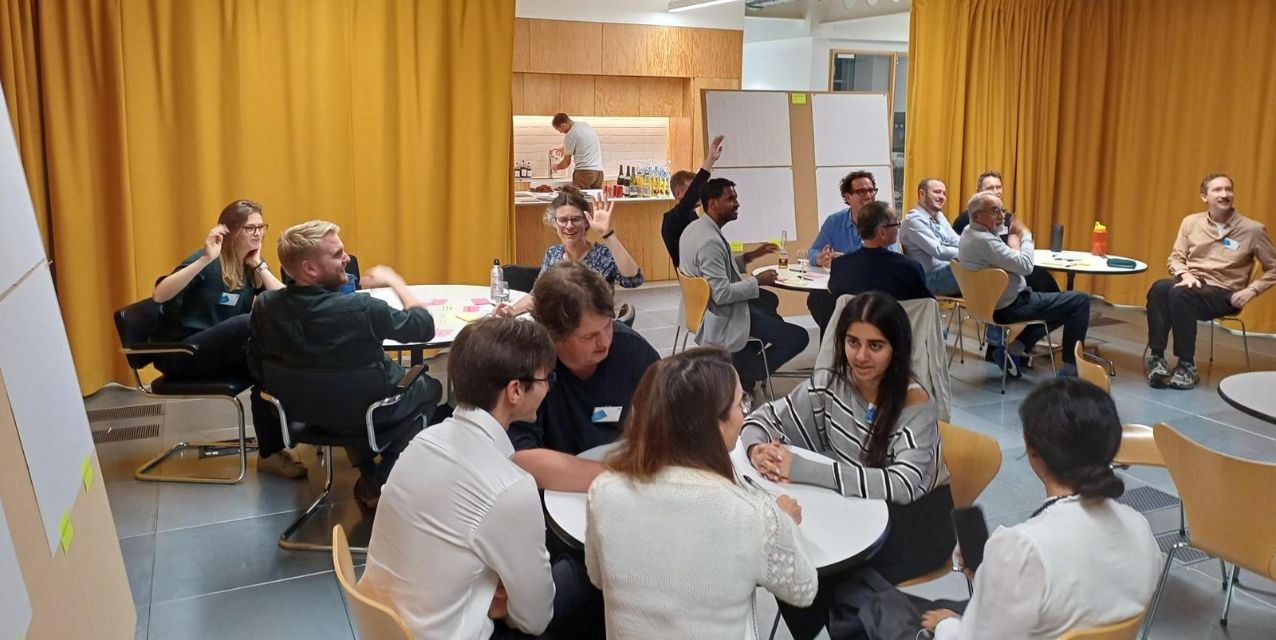
This time around, the groups were tasked with the creation of an investment plan for a mock scenario involving the development of a football club’s stadia and surrounding area. Teams were asked to explain the makeup of their project team, to allow it to be as high-performing as possible, before carrying out the proposed multi-million euro project.
Presentations were made to a centralised panel, which then grilled their fellow participants! Following this, there were discussions around the location of the teams involved with the project, team bonding visits and activities between the different teams, as well as associated costs and hierarchical structures, with the aim of exploring new, efficient ways of working.
As Manel closed the session, with all the participants gathered in a checkout circle session to share learnings, he quoted author David Graeber and suggested just how implementing change could really help build high-performing teams: “The ultimate, hidden truth of the world is that it is something that we make and could just as easily make differently.”
Xavier Aguiló, Major Projects Director for SOCOTEC UK & Ireland, said of the event: “As a multidisciplinary organisation operating across the built environment, SOCOTEC has a direct interest in these types of conversations that are going on between teams.
“What is critical is that we continue breaking down the siloes between architecture, engineering, sustainability and construction disciplines, in order to help deliver higher-quality, better-performing buildings.”
Event facilitator, Manel Heredero, added: “This session's antidisciplinary framing offered a valuable lens for how our teams and project partners can collaborate more effectively from the very earliest stages of design.
“It was great to have a room full of engaged professionals to help our participatory workshop be as fulfilling as it could’ve been.”
Nicholas Worley, Partner at Fletcher Priest Architects, summarised: “It was great to take part in the session. It challenged us to think carefully about the practical things we can do to work better together, and what was striking was how many of them are relatively simple and cost-effective but can lead to significant gains in both efficiency and design quality.
“It was also a pleasure to host the event in our studio, which was designed to support exactly that kind of collaboration, bringing teams together in different ways, at different scales, and in a range of settings.”
Want to find out more about SOCOTEC workshops...
Discover our latest News & Media
How ecology surveys can keep your railway project on track

Nature Positive Real Estate: Creating Value through Biodiversity

Infinito Delicias. Building low-carbon spaces for communities to thrive

Passive Design as a Driver of Integrated Building Performance

SOCOTEC UK & Ireland Sponsor Spills Conference
Street Works UK Protocol: Six months on – what have we learned and what’s next?