Need some advice?
Leave your details and we will get in touch.
I want to be contacted by an expert
1 /

Stringent environmental regulations and a heightened focus on sustainability have made Leak Detection and Repair (LDAR) solutions indispensable.

But what is LDAR and how can it help organisations minimise the escape of volatile organic compounds (VOCs), and other gases that contribute to air pollution and pose health risks?
With over 20 years of experience working with LDAR solutions, Qaisar Shah is SOCOTEC UK and Ireland’s Lead LDAR Surveyor. We sat down with Qaisar to discuss why LDAR must be correctly monitored in order to keep companies compliant and safe.
“LDAR programmes are designed to detect and repair leaks in components such as valves, pumps, compressors, and connectors. When gases leak from these components, they not only contribute to air pollution but also lead to significant financial losses.
“Accurate monitoring can help companies to reduce major product losses, and improve safety for employees working in environments that could be hazardous in the wrong circumstances. Improper or incomplete monitoring can lead to missed leaks, non-compliance, increased maintenance costs, and reputational risks.”

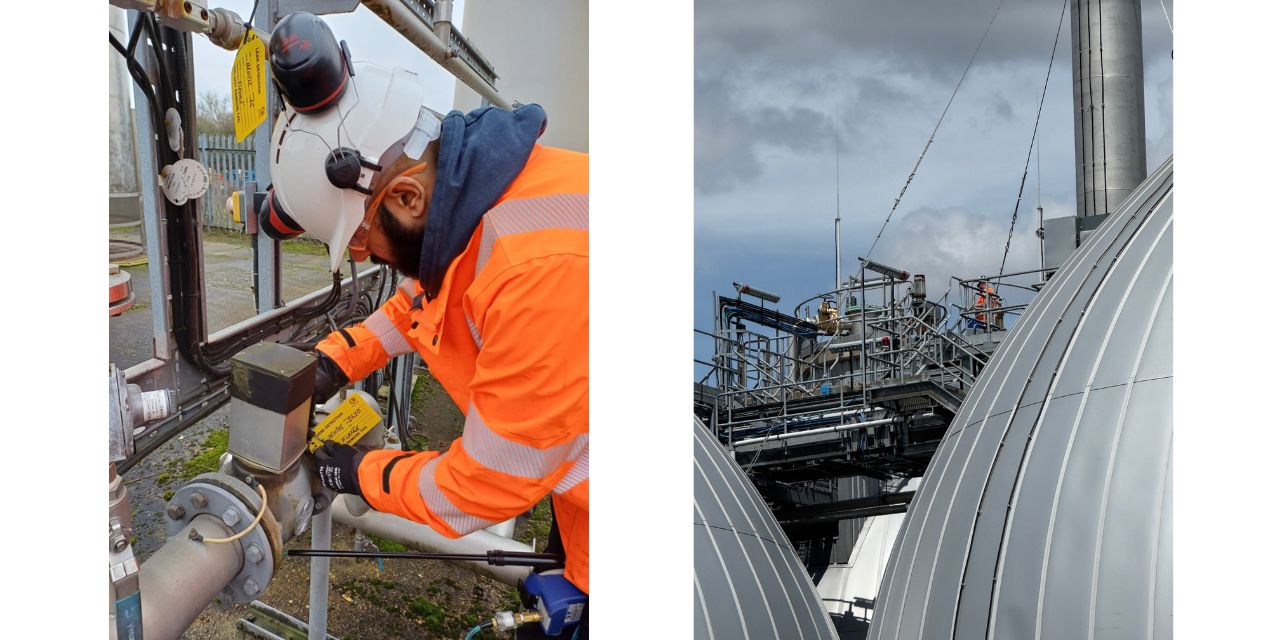
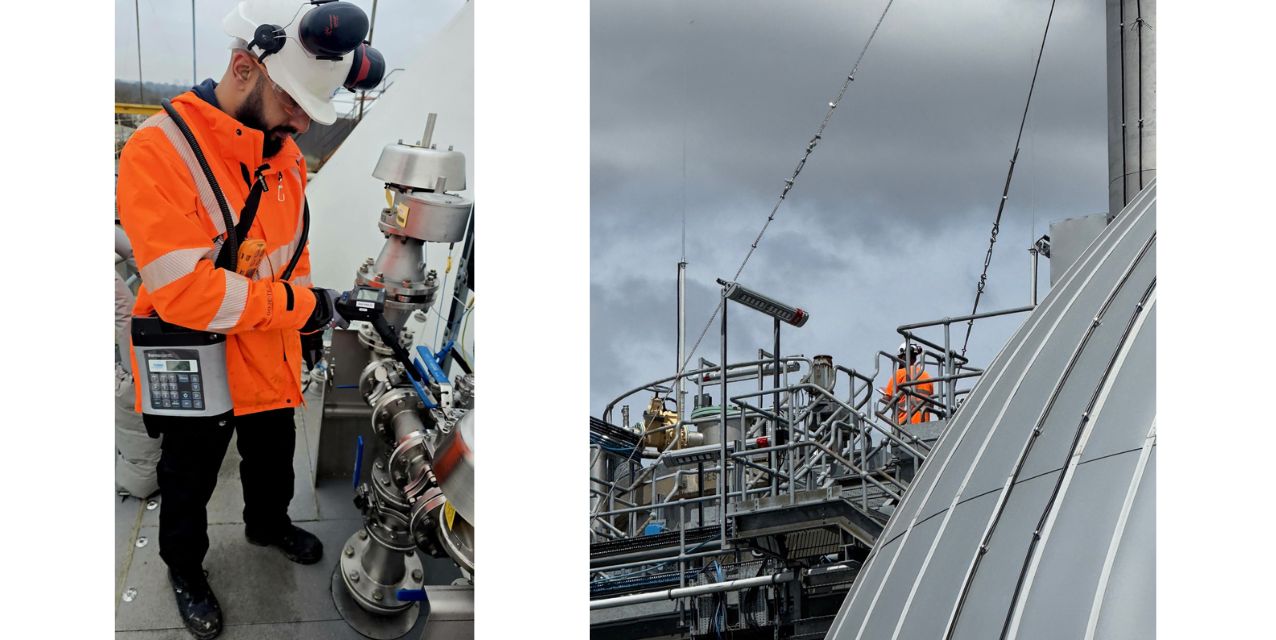
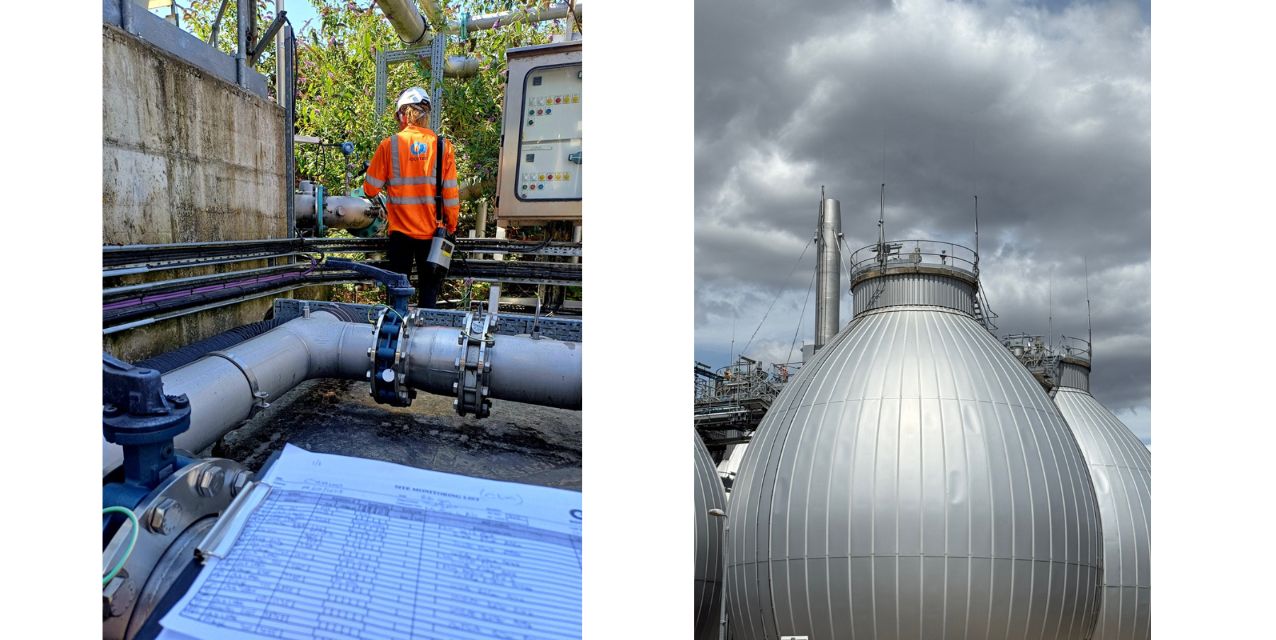
To correctly monitor LDAR solutions, there’s a clear and important strategy to follow. Here, Qaisar takes you through the nine steps, as well as the preferred method of action:
“We tend to begin by conducting a thorough review of the Piping & Instrumentation Diagrams (P&IDs) of the system to understand the layout and potential leak points. P&IDs serve as the blueprint for identifying and locating components like valves, flanges and other critical equipment.
“This step ensures a clear understanding of the system, helping the team identify all potential leak sources. It is the foundation of any robust LDAR programme, as it allows for efficient and effective monitoring by establishing clear inspection routes and plans.”
“After we have reviewed the P&IDs, we then create a comprehensive inventory of all potential sources of leaks. Each valve, flange, pump, and connector should be included, along with its unique identification number, location, and the type of VOCs it might emit. This inventory should be updated regularly to reflect any changes in equipment or configuration.
“The inventory serves as a master document for inspections, helping teams to stay organised, track monitored points and ensure no components are missed. It is a crucial reference point for planning both scheduled and unscheduled inspections.”
“Ensure that all LDAR personnel are well-trained, experienced and certified according to the standards. Trained inspectors are less likely to miss leaks and more likely to correctly follow monitoring procedures.”
“Method 21 and BS EN 15446:2008 specify that all monitoring equipment should be regularly calibrated to maintain accuracy. Calibrate TVA analysers before each use and log calibration records for audit purposes.”
“Adhere to the TVA method based on the US EPA’s Method 21 and BS EN 15446:2008, which outlines procedures for detecting VOC leaks using handheld analysers. By following the procedure guidelines on probe placement, measurement distance, and duration, companies can ensure accurate readings for each component.
“British Standards also provide detailed guidance for monitoring and reporting. Aligning with both Method 21 and British Standards ensures that the process is internationally recognised, reliable, and robust.”
“During the monitoring process, each detected leak should be clearly tagged and recorded, using durable, visible tags to mark each leak’s location. Measure and document the concentration level for each leak to quantify its severity.
“Tagging and quantifying leaks are vital steps, as they allow for the efficient tracking of repairs and simplify follow-up inspections. Quantification of leak size provides valuable data for prioritising repairs and enables trend analysis over time to identify recurring issues.”
“Upon completing monitoring, each source should be documented in a comprehensive report. This can include details such as the identification information, type of equipment, source of the leak, date of inspection, leak concentrations, location of the leak, as well as any unusual observations.
“Detailed and organised reporting is essential for accountability, compliance and efficient management of LDAR data. As per Method 21 and BS EN 15446:2008, these reports should be reviewed regularly to ensure that emissions are within limits and that corrective actions are promptly implemented.”
“Based on findings, our LDAR team can provide actionable recommendations for repairing leaks. Recommendations should prioritise high-emission leaks and suggest specific repair methods.
“Proactive repair recommendations not only help reduce emissions but also extend equipment lifespan by addressing underlying issues before they worsen. Method 21 encourages timely repair actions and proper documentation of repairs as part of LDAR best practices.”
“After repairs are completed, re-measure each component to confirm the leak has been successfully contained. This post-repair inspection is crucial to validate the repair’s effectiveness and ensure that emissions have returned to compliant levels.
“All records from the LDAR process, including initial measurements, repairs, and post-repair readings, should be securely stored. Following Method 21’s recommendation for record retention, keeping detailed records supports compliance in audits, demonstrates accountability, and provides valuable insights for future maintenance planning.”
“Running throughout our process is the need to be compliant. Implementing LDAR with precision is essential to achieving regulatory compliance and maintaining a safe workplace. Following established standards such as the US EPA Method 21 and British Standards BS EN 15446:2008 ensures that companies are not only compliant but also practising environmental responsibility.
“While the LDAR process may seem intensive, adhering to this level of detail has many benefits. It can prevent substantial fines and reputational damage by meeting regulatory requirements, as well as ensuring workplace safety by minimising exposure to hazardous gases and it reduces wastage of valuable gases, saving your business costs across a larger period of time.”
“One of the most effective methods of LDAR is the FID Sniffing Method (with Toxic Vapor Analyser). A standardised approach for detecting leaks accurately and efficiently, this method is used by the SOCOTEC team to help identify and address leakages in the swiftest way possible.
“As a company, we have taken a leading role in LDAR monitoring by strictly adhering to correct procedures and best practices. Through our rigorous approach to TVA-based monitoring, we ensure our clients not only meet regulatory standards but also achieve the highest levels of environmental compliance and workplace safety.
“From comprehensive inventory creation to post-repair validation, SOCOTEC’s approach is meticulous, setting a benchmark in the industry. In today’s regulatory landscape, companies that prioritise robust LDAR monitoring are better positioned to succeed sustainably.”
We're here to help address your organisation’s own LDAR needs