Need some advice?
Leave your details and we will get in touch.
I want to be contacted by an expert
1 /

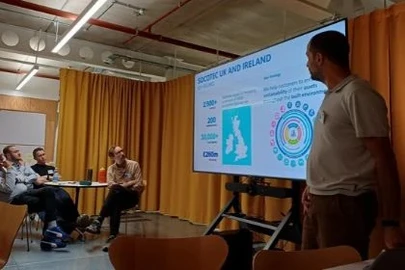
Paul Walker, Senior Development & Technical Specialist at SOCOTEC UK & Ireland, discusses the current state of knowledge regarding microplastics.

Microplastics are emerging as a significant environmental and health concern as they are ubiquitous in the environment, detected in almost every ecosystem on earth, and have the ability to absorb harmful chemicals, entering food chains, and potentially causing adverse health conditions.
Microplastics are any man-made polymeric material which is insoluble in water and has a particle size of less than 5 millimetres.
“Microplastics can come from several materials – PET, HDPE, PVC, LDPE, PP, and PS. Even if the material says it is biodegradable, it can still exist in the environment for years and biodegrade into microplastics.
"The main sources are landfill plastics, tire dust, fishing equipment, pellets, textiles, and bottles. The microplastics are then distributed throughout the environment via wind and rain, agriculture and urban stormwater runoff, wastewater treatment plant discharge, and the application of biosolids and animal manure.”
“Nurdles are a form of microplastic. They are small plastic pellets and are the raw material for the manufacturing of plastic products, with an estimated 445,970 tonnes of nurdles entering the environment worldwide each year.
“Nurdles pose an issue as they are being ingested as food in their original form by animals, entering the food chain, but could also become absorbed into the human body as they break down into smaller fragments.”
“Research into the toxicology and health impacts of microplastics is still in its early stages with limited clinical toxicity studies in humans as it is difficult to measure particle retention in human bodies.
“There is evidence of microplastics having cellular and molecular effects – oxidative damage, DNA alterations, changes in gene activity patterns, and potentially posing a cancer development risk. Microplastics have also been detected in human breast milk and infant meconium, with animal studies showing reduced sperm count and quality, as well as ovarian scarring and metabolic disorders in offspring, demonstrating a reproductive and developmental impact.
“Organ-specific toxicity shows that microplastics can impact gut barrier dysfunction and liver damage.”

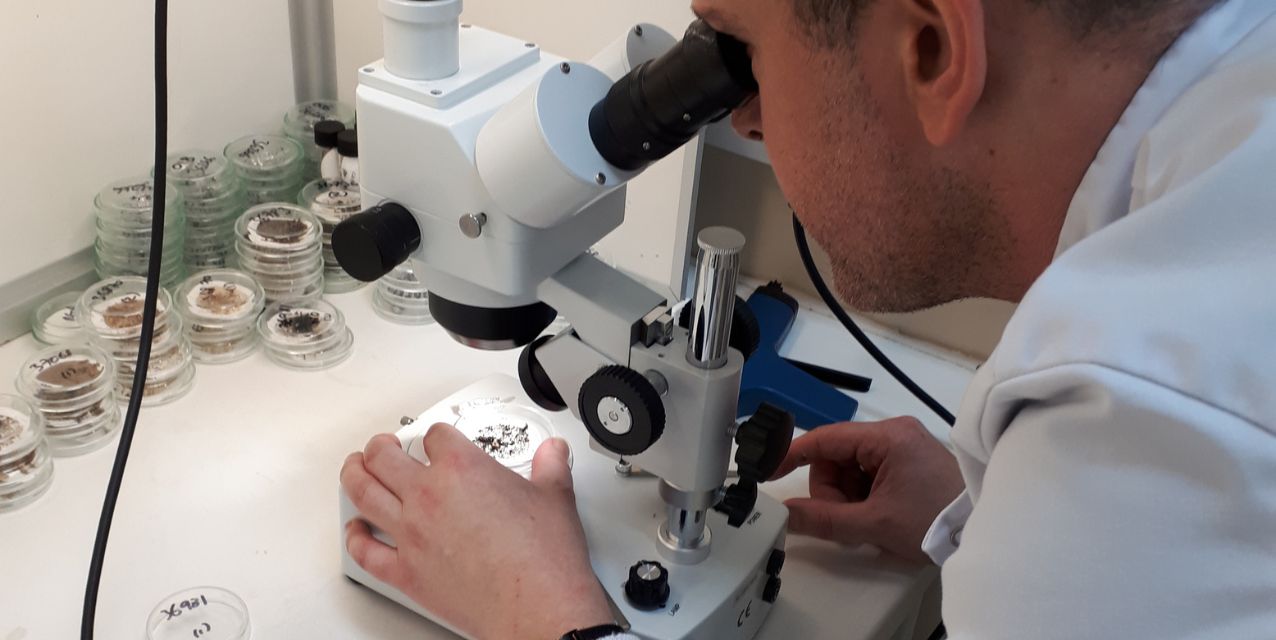
“Microplastic sampling and analysis is highly complex, and many different techniques have been used, but the basic workflow follows a cycle of: filtering, flotation, digestion, counting, and then identification.
“The sample is reduced in size by wet sieving, then floated in a solution of suitable density. After flotation, organic material is still present, so a digestion technique is required to removed it. From digestion, the particles are filtered and ready to be counted, taking note of their size and shape.
“There are then numerous analysis techniques for the identification of the type of polymer – FTIR, quantum cascade laser (QCL) IR microscopy, Raman spectroscopy, pyrolysis GC/MS, and SEM-EDX. Each technique has its pros and cons and it’s important to consider what is important for the identification – polymer type or weight, particle size, shape, or colour.”
“For SOCOTEC as a testing and risk management company, microplastics represent an emerging contaminant that requires monitoring, assessment, and management strategies to protect environmental quality, infrastructure integrity, public health, and to ensure regulatory compliance for our clients across industries.”
For more information regarding SOCOTEC’s microplastic analysis services, please contact us.
Discover our latest News and Media