Need some advice?
Leave your details and we will get in touch.
I want to be contacted by an expert
1 /

In 2002, The Control of Lead at Work Regulations (CLAW) were introduced to protect the health of people at work who are exposed to lead, applying to any type of work such as handling, processing, repairing, maintenance and disposal that may expose employees to metallic lead, its alloys and compounds, or lead as a component of any substance or material.

The CLAW regulations apply to proposed works involving possible disturbance of coatings or removal of dust which may be contaminated with paint debris from buildings or structures. Lead can be inhaled as a dust, fume or vapour, ingested as lead powder, dust, paint or paste and absorbed through the skin.
Many structures and buildings associated with the UK rail network are coated with a variety of paints mainly to provide protection against corrosion/degradation or for purely decorative reasons. Most paints are complex mixtures, but all can be summarised into three basic components:
The presence of lead and other toxic metals within paints primarily relates to their use within pigments. From the late 18th Century onwards, lead and lead oxides were commonly used in paints and coatings. Until the mid-1960s, lead carbonate and lead sulphate was added in substantial quantities. Lead based compounds such as lead tetroxide, calcium plumbate (red lead) and various lead chromates, were also used to various anti-corrosive primers and decorative wall paints.
With regard to the use of other toxic metals in paint, historically metals such as arsenic, cadmium, chromium and zinc were used as additives in various paints and coatings.

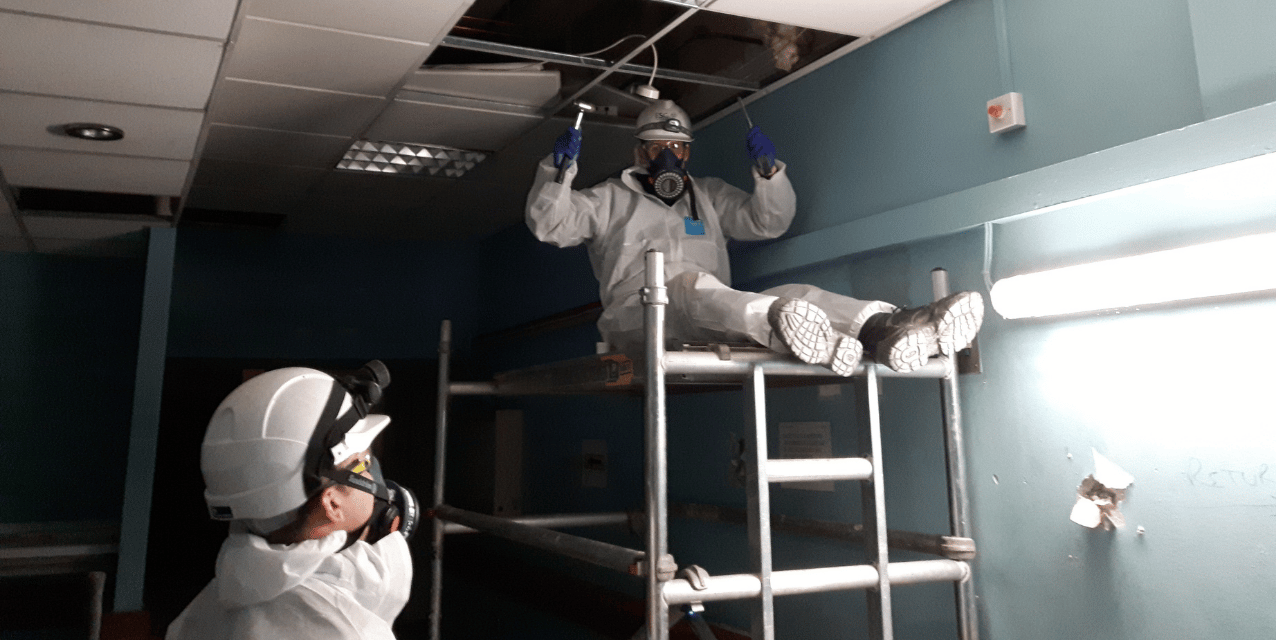
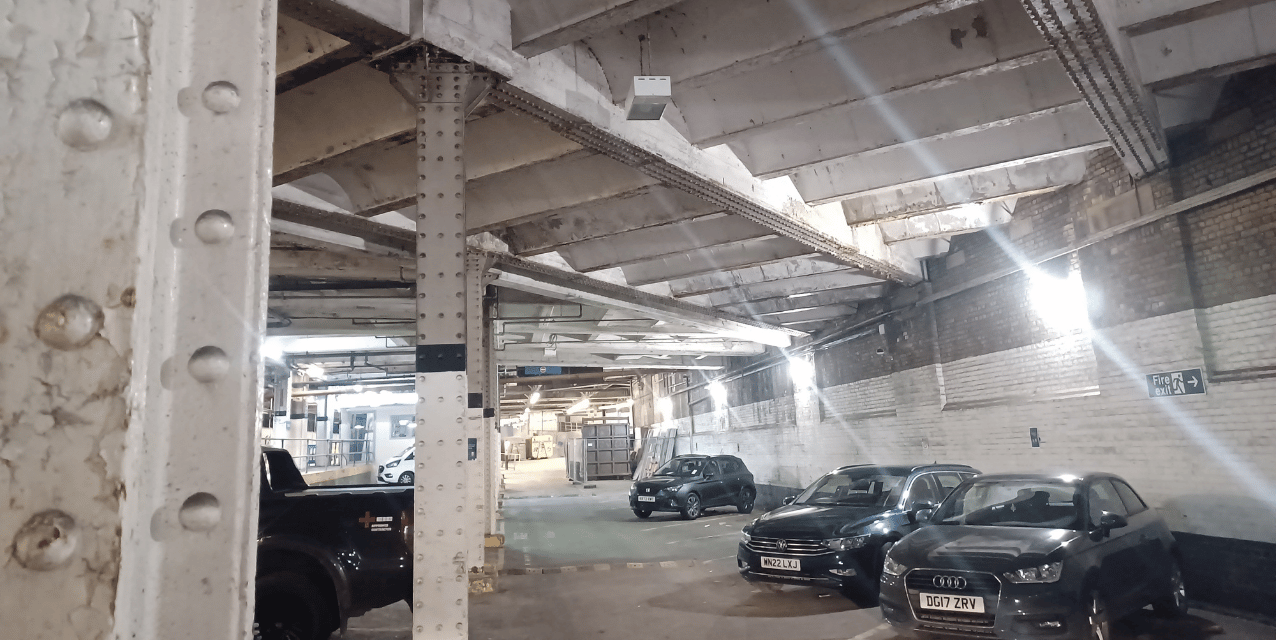

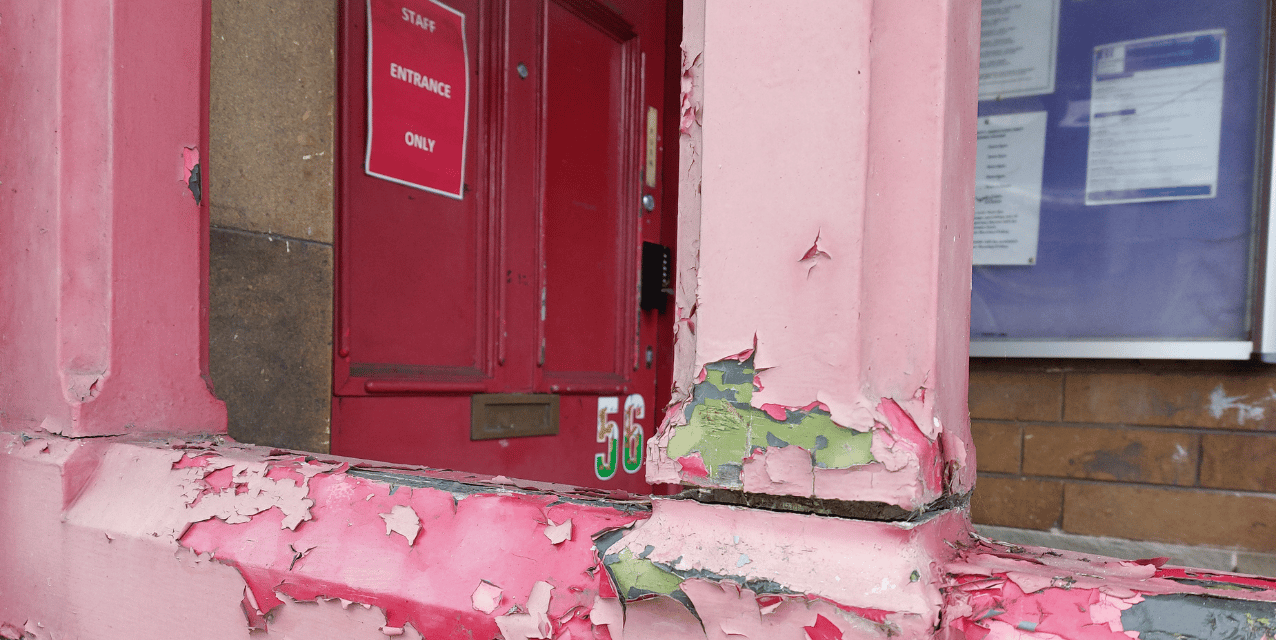
Given their widespread use, it is likely that any buildings or other rail related infrastructure such as bridges, metal staircases, station canopies etc that date from the mid-Victorian period onwards, may contain paint which contains appreciable quantities of toxic metals.
The presence of these paints becomes an issue when demolition, refurbishment or decoration works are being undertaken, which will lead to disturbance of the existing coatings present.
Ultimately, lead is toxic; it has no nutritional value and doesn’t provide any positive biological effects. Even at low levels of exposure, lead can be damaging to human health, causing a range of clinical side effects including headaches, stomach pains, anaemia, kidney disease, nerve and brain damage and infertility. Most paints contain pigments containing chromium in its more toxic hexavalent chromate (CrVI) state and all are highly toxic by all exposure routes. Exposure to chromium VI compounds can lead to chemical irritation of the bronchial tubes (bronchospasm), the development of occupational asthma through respiratory sensitisation and ulceration of the mucous membranes of the nose.
The impact of skin contact with chromate compounds includes primary irritant reactions which may progress to ulceration and contact dermatitis. Regarding eye contact, direct contact and contamination of the eyes can result in irritation and possibly ulceration of the cornea. It must also be remembered that the International Agency for Research on Cancer (IARC) has noted that breathing air containing chromium VI compounds for long periods may cause lung cancer.
The toxicity of arsenic compounds has been known for several centuries, with short-term effects associated with the exposure of the body to arsenic compounds include chemical irritation of the bronchial tubes (bronchospasm), skin damage/inflammation and in more severe instances, internal bleeding from the stomach and intestines.
Long-term, the effects of arsenic compounds include damage to the inside of the nose, skin colour changes, prolonged skin inflammation problems, inflammation of the lungs and damage to peripheral nerves, with numbness and loss of vibration sense. Repeated exposure to arsenic compounds over time can cause heart problems and, eventually, cancer, particularly in the lungs, skin and liver.
A risk assessment required under CLAW is a statutory requirement under the Management of Health and Safety at Work Regulations 1999 (MHSWR). The key steps to the risk assessment are: identify the hazards; decide who might be harmed and how; evaluate the risks and decide upon precautions; record the findings and implement them and review the assessment and update as necessary. When working with paint containing high lead levels, there are several unsafe methods that should be avoided, as they result in the generation of high levels of dust or fume.
While the works are taking place where exposure is likely to exceed agreed exposure limits, personal exposure monitoring should be undertaken. For lead, this is 0.075 mg/m3 8Hr TWA. If exposure if likely to exceed the OEL, then the employee should be placed under appropriate health surveillance. This should determine whether the blood-lead concentration is equal to or greater than 35µg/dl, or if the urinary lead concentration is equal to or greater than 40µg Pb/g creatinine. A doctor will require the employee be removed from the work if levels are close to or above these limits, and if the level increase over time, the work practices must be reviewed with better control measures.
Unlike lead, there are no corresponding regulations for potentially toxic and harmful metals in paint. There is no threshold limit for the concentration of such metals within paint instead the protection of staff from the effects of other toxic metals falls under the Control of Substances Hazardous to Human Health (COSHH) regulations. These regulations state that appropriate control measures must be implemented to protect employees if potential exposure to substances is found to be significant, as well as consideration to protecting non-employees and members of the public due to the potential contamination of the wider environment.

For most metals present in paint, there are set Work Exposure Limits (WELLs) which limit the quantity of airborne metals (mg/m3 of air) that staff can be exposed to. Work involving the disturbance of paint containing quantities of arsenic, cadmium, chromium or zinc should be undertaken in a way that ensures exposure is kept as low as possible. If airborne levels are above 50% of the WELL, it indicates poor control measures.
For most metals present in paint, there are set Work Exposure Limits (WELLs) which limit the quantity of airborne metals (mg/m3 of air) that staff can be exposed to. Work involving the disturbance of paint containing quantities of arsenic, cadmium, chromium or zinc should be undertaken in a way that ensures exposure is kept as low as possible. If airborne levels are above 50% of the WELL, it indicates poor control measures.
SOCOTEC UK & Ireland ’s Environment Division has a wealth of experience in undertaking paint sampling surveys within the railway environment. This includes sampling paint on various structures including:
Undertaking a paint sampling survey before commencing site works can identify areas where the presence of lead or other toxic metals within coatings may be an issue. This allows companies to plan accordingly and take their presence into account within project risk assessments and method statements, while reducing the risk to workers and the general public.
In conjunction it may be necessary to carrying out workplace exposure monitoring during paint removal activities. A combination of personal and static monitoring can be used to assess the effectiveness of control measures and to highlight areas where improvements are required.
Want to learn more about Lead and Toxic Metals?