

Expert PFAS Testing & Analysis - for UK Compliance
Ensure compliance and safety with expert per- and polyfluoroalkyl substances (PFAS) testing services. Identify, assess and manage PFAS risks with reliable laboratory solutions.
PFAS represents one of today's most pressing environmental challenges. These synthetic compounds persist in water, soil, and ecosystems due to their exceptionally strong carbon-fluorine bonds. As regulatory frameworks continue to evolve across the UK and globally, organisations need reliable analytical solutions to detect and quantify PFAS contamination. Professional testing services provide the precision and expertise required for compliance, risk assessment, and informed decision-making in this complex chemical landscape.
What is PFAS?
Per- and polyfluoroalkyl substances (PFAS), known as "forever chemicals," are a group of synthetic chemicals which, due to the strength of the carbon-fluorine bond are persistent, pose critical environmental and public health challenges through contamination of water, soil, and ecosystems globally.
They have been in use since the 1940s in a wide range of industries from Aqueous Film Forming Foams (AFFFs) and the chemicals industry, through to photography, electronics, food packaging and textiles and many more, and there are now, depending on the definition used, many thousands of these chemicals in existence. Due in part to them having both hydrophobic and hydrophilic properties, as well as being persistent, they are also in many cases highly mobile with increasing evidence that many are toxic and bioaccumulative.

Talk to our experts


Professional PFAS Testing Solutions UK
Water & Soil Contamination Analysis

Our UKAS accredited laboratory in Bretby delivers comprehensive PFAS analysis across diverse environmental matrices using proven methodologies. USEPA methods 537.1 and 533 enable precise detection in aqueous samples, while method 1633 extends capabilities to both water and solid matrices including contaminated soils.
Contamination patterns vary significantly between surface water sources and groundwater systems. Soil analysis reveals how these persistent compounds migrate through different geological layers, affecting remediation strategies. Our multidisciplinary analytical teams apply cutting-edge LC-MS/MS techniques to quantify even trace concentrations.
Advanced sample preparation protocols prevent cross-contamination during analysis, ensuring reliable results for regulatory compliance. Whether investigating industrial sites, monitoring drinking water supplies, or assessing agricultural land, our analytical expertise transforms complex contamination data into clear, actionable intelligence that supports informed environmental decision-making.
Our UKAS accredited laboratory in Bretby delivers comprehensive PFAS analysis across diverse environmental matrices using proven methodologies. USEPA methods 537.1 and 533 enable precise detection in aqueous samples, while method 1633 extends capabilities to both water and solid matrices including contaminated soils.
Contamination patterns vary significantly between surface water sources and groundwater systems. Soil analysis reveals how these persistent compounds migrate through different geological layers, affecting remediation strategies. Our multidisciplinary analytical teams apply cutting-edge LC-MS/MS techniques to quantify even trace concentrations.
Advanced sample preparation protocols prevent cross-contamination during analysis, ensuring reliable results for regulatory compliance. Whether investigating industrial sites, monitoring drinking water supplies, or assessing agricultural land, our analytical expertise transforms complex contamination data into clear, actionable intelligence that supports informed environmental decision-making.
UK Regulations & Compliance Testing
Current UK guidance establishes a recommended limit of 0.1 µg/L for the sum of 48 PFAS in drinking water, though no legally binding limits exist yet in England and Wales. The Drinking Water Inspectorate requires water to remain "wholesome" and free from substances posing potential human health risks, creating compliance obligations for water companies and industrial operators.
UK REACH restrictions already cover specific substances like PFOA and PFOS, while broader PFAS restrictions are under development for firefighting foam applications. Environmental permits increasingly incorporate PFAS monitoring requirements, particularly affecting sites with historical use of aqueous film forming foams.
Our regulatory specialists translate complex compliance requirements into practical testing strategies aligned with your operational needs. We help organisations stay ahead of evolving standards by providing clear interpretation of guidance documents and developing monitoring programmes that demonstrate due diligence. This proactive approach protects against future liability while maintaining stakeholder confidence in an increasingly regulated landscape.
Take a look at our podcast on PFAS Testing & Analysis
Learn More About our PFAS Testing Solutions
We accept water samples from drinking supplies, groundwater, surface water, and industrial effluents, plus soil samples from contaminated sites, agricultural land, and sediments.
Standard reporting takes 10-15 working days from sample receipt, with express options available for urgent compliance deadlines or emergency response situations.
Absolutely. Our technical team supplies detailed sampling protocols, appropriate containers, and preservation requirements to ensure sample integrity during transport to our Bretby facility.
Our UKAS accreditation means results are legally defensible and accepted by regulators, environmental consultants, and legal teams for due diligence assessments.
Let's Talk
Need assistance with Expert PFAS Testing & Analysis?


Discover our latest News & Media

How will the EU Packaging and Packaging Waste Regulation further restrict PFAS?

Fire Resistance: Everything you wanted to know but were afraid to ask

Nature Positive Real Estate: Creating Value through Biodiversity

Infinito Delicias. Building low-carbon spaces for communities to thrive
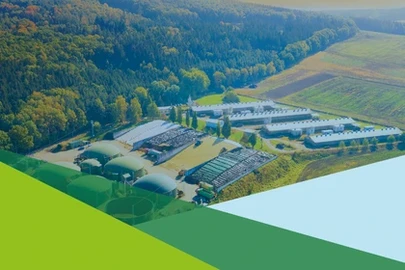
How to quantify climate risks in monetary terms to make better investment decisions and adapt existing buildings?
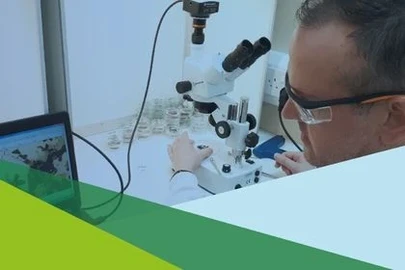
Microplastics: The Current State of Knowledge

SOCOTEC UK & Ireland sponsors national PFAS conference

SOCOTEC sponsors major PFAS industry event

SOCOTEC UK & Ireland delivers sessions to local school to mark National Apprenticeship Week
Talk to our experts