Article written by

What Causes EV Battery Fires and How Should Fire Engineers Address Lithium-Ion Fire Risks?
Fri 01/09/2026 - 13:49
With over 54% of greenhouse gas emissions from the cars and taxies, there is a large intensive to move to more carbon-friendly transport. As of June 2024, only 3% of the cars in the UK were fully battery electric, but the registration of electric vehicles has been rising significantly.


With the introduction of electric vehicles to car parks inside buildings, the risks are becoming more apparent, including the risk of fire. Here are some commonly asked questions to our fire engineering team in relation to electric vehicles and fires engineering. These are answered by our Research Lead, Karla Sandoval.
Learn more
An electric vehicle fire can occur for several reasons, with lithium-ion battery failure being the most significant concern. Thermal runaway begins when a failing battery generates more heat than it can release to its surroundings. This can be triggered by three types of external failure: mechanical, thermal, or electrical. Internal failure conditions include manufacturing defects, improper use, or cell aging. Many aspects of these failures are still not fully understood, and ongoing research worldwide is focused on better understanding thermal runaway.
Although internal combustion engine vehicle (ICEV) fires and electric vehicle (EV) fires share some similarities, such as high burn temperatures and debris release, the newer EV technology introduces additional challenges. Existing suppression and detection systems designed for ICEVs are not fully suitable for EV fires, and currently no system is fully adapted to address the unique hazards they present. One key difference is how quickly thermal runaway can develop in EV batteries, along with its severe consequences, including jet flames, explosions, extended burn periods, and the rapid release of flammable gases.
This is a topic still under research and new findings keep appearing. For instance, a year ago using fire blankets was something recommended, after experiments conducted by UL Fire Safety Research Institute, it was determined that this tactic increases the risk of explosion due to the accumulation of flammable gases. Another technique includes the submersion of the vehicle, however this encompasses risk of electrocution, large amounts of water and difficulty of moving a vehicle from challenging locations (i.e.) basement car parks). Another technique currently under study in the Netherlands include the use of ultra high-pressure jets, where they have seen positive results so far.
We follow established guidance documents such as BS 9991 and Approved Documents, as well as recommendations from the London Fire Brigade, the National Fire Chiefs Council, RISE fire research, RC 59, and other relevant research publications. We also collaborate with UK universities when we encounter challenges that are not yet addressed in existing guidance or recommendations. In addition, our team regularly attends national and international conferences to stay informed about new research and emerging best practices, helping us contribute to making this technology safer.
There is currently limited information on water contamination in firefighting events and water treatment necessary following an electric vehicle fire.
Safe evacuation of public spaces or rail environments becomes more complex when an electric powered personal vehicle (EPPV) is involved in a fire, due to the unique hazards associated with battery failures and thermal runaway. Limited investigation into the evacuation procedures is currently available and will need to be investigated further.
For any further questions on fire safety engineering and the design of save car parks, contact the fire engineering team here firesafety@socotec.co.uk . You can learn about the risks of battery fires by following the link for our FAQs on e-bikes here E-Bike and E-Scooter Safety: Expert Guide | SOCOTEC UK.
Want to find out more about our Fire Safety Services ?
Check out our latest News & Media
News
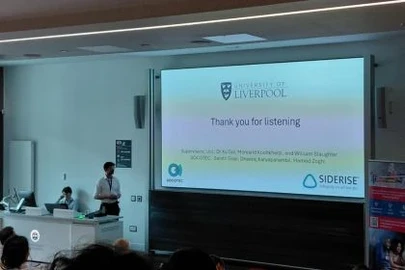
SOCOTEC Partners with University of Liverpool Student to Advance Fire Safety Science
Read +
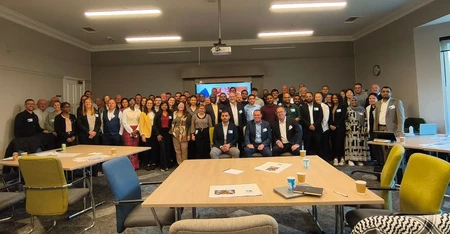
SOCOTEC UK & Ireland top talent comes together for annual Fire Division Conference
Read +

SOCOTEC Ensures Fire Safety Excellence at 8 Bishopsgate – London's Landmark Skyscraper
Read +
FAQs: What documentation is required for a Fire Risk Assessment?
Read +
The Fire Safety (England) Regulations 2022 - What you need to know
Read +

SOCOTEC Opens London Hub
Read +

SOCOTEC’s Fire Engineering Team is Highly Commended in Civic Trust Awards
Read +