Need some advice?
Leave your details and we will get in touch.
I want to be contacted by an expert
1 /

In an industry where margins are tight and programmes are demanding, it can be tempting to view CDM as an unwelcome cost or administrative burden on a project. However, effective CDM input delivers tangible benefits that extend far beyond regulatory compliance, here are just a few of them…

The most fundamental benefit of proper CDM implementation is identifying and addressing design-related health and safety risks before they become more significant, irreversible issues. In doing so, the CDM Principal Designer helps design teams make better, more informed decisions that help to protect everyone involved in the project.
Focussing on designing out risks or hazards during the pre-construction design phase costs far less than managing them during the construction phase or once the building is in use, or in fact, dealing with the impact of accidents after they occur.
Construction projects typically involve several different parties, including:
By utilising CDM effectively, it can help to provide the framework for these different teams to cooperate communicate effectively about relevant health and safety matters during the design process.
The CDM Principal Designer ensures that critical information flows between parties, that designers understand the safety implications of their decisions, and that relevant pre-construction information reaches those who need it. This coordination helps prevent information gaps that could lead to dangerous assumptions or inadequate planning of a project.
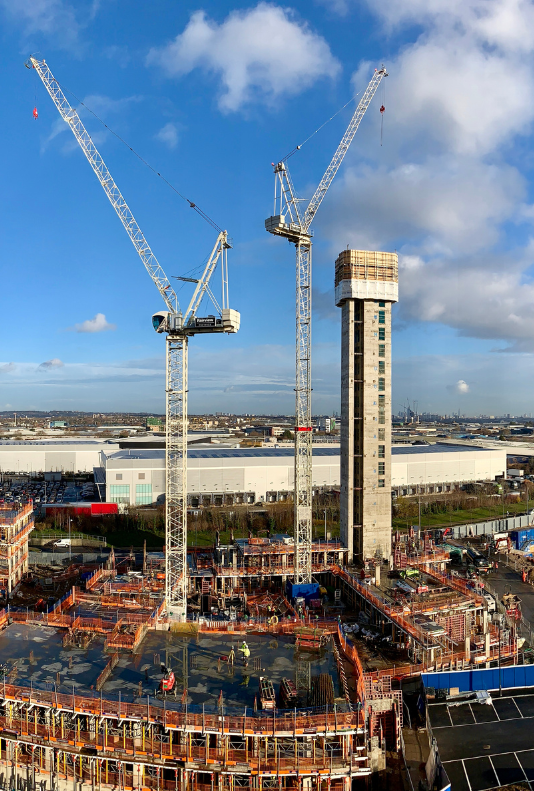
By identifying constructability issues and future maintenance considerations early, the process helps avoid costly design changes, programme delays, and site complications. Understanding how a design will be built and maintained informs better decision-making throughout development.
This forward-thinking approach aligns perfectly with modern construction methodologies that emphasise planning, coordination and buildability from the earliest stages.
CDM isn't just about protecting workers on-site, though that remains of critical importance, the regulations also protect clients, designers and end users. From a client perspective, proper CDM compliance demonstrates due diligence and reduces potential liability. Designers benefit from a structured framework for considering safety in their work, while end users can be assured that their buildings can be maintained and operated safely throughout their lifecycle.
By identifying constructability issues and future maintenance considerations early, the process helps avoid costly design changes, programme delays, and site complications. Understanding how a design will be built and maintained informs better decision-making throughout development.
This forward-thinking approach aligns perfectly with modern construction methodologies that emphasise planning, coordination and buildability from the earliest stages.
CDM isn't just about protecting workers on-site, though that remains of critical importance, the regulations also protect clients, designers and end users. From a client perspective, proper CDM compliance demonstrates due diligence and reduces potential liability. Designers benefit from a structured framework for considering safety in their work, while end users can be assured that their buildings can be maintained and operated safely throughout their lifecycle.
At SOCOTEC, our CDM team has extensive experience across diverse project types and values. From multi-million-pound office refurbishments to smaller fit-out projects, we understand how to tailor CDM requirements to each project's specific needs and risk profile.
Our CDM consultants bring decades of combined industry experience, holding qualifications including NEBOSH certificates, SMSTS and membership in professional bodies such as the Association for Project Safety and the Institute of Safety and Health. This expertise enables us to provide pragmatic advice that balances safety requirements with project realities.
We've successfully coordinated the CDM process on projects involving structural alterations, complex MEP installations, heritage buildings, and sensitive occupied environments. This breadth of experience means we understand the specific challenges different project types present and can provide targeted, effective support.
Effective CDM coordination isn't about creating barriers or simply saying "no" to design ideas. It's about working collaboratively with project teams to find solutions that satisfy design intent, functional requirements, and safety considerations. The best outcomes occur when CDM is integrated into the design process, as opposed to being imposed upon it.
We pride ourselves on building positive working relationships with clients, design teams and contractors, having worked with many of the same partners for many years.
In conclusion, proper CDM integration protects people, reduces risk, improves project outcomes and demonstrates professionalism. In an industry where reputation matters and clients increasingly expect robust governance, effective CDM input is an investment that delivers returns throughout a project and beyond.
Whether you're a client embarking on a new development, a designer seeking CDM support, or a contractor looking for coordination during construction, SOCOTEC's experienced CDM team can provide the expertise you need to deliver safe, successful projects.
Want to find out more about...