
Xavier Aguilo

Net Zero Futures Through Electrification in the Built Environment
Thu 06/11/2026 - 17:31
As Major Projects Director at SOCOTEC UK & Ireland, Xavier Aguiló is an expert in sustainable design and structural engineering, with an emphasis on bioclimatic and sustainable strategies. Here he discusses the importance of tackling energy consumption within the built environment and the shift to prioritising electrification.


“The built environment is moving towards electrification as the predominant method for achieving net zero emissions, however there is a fundamental flaw in current electrification strategies.
“This current approach fails to address that excessive energy consumption is the root cause of the environmental crisis. The narrative that switching from fossil fuels to electricity will solve the climate challenges is misguided and potentially counterproductive.
“Before any meaningful transition to electric systems can occur, the industry needs to work towards energy efficiency by prioritising reductions in energy demand.
“The current electrification efforts often ignore fundamental solutions, such as design strategies to minimise heating and lighting requirements and human behaviour modification to reduce energy usage and promote conservation. By not acknowledging potential answers to the energy consumption issue, all we are doing is shifting the environmental burden from direct fossil fuel combustion to increased electrical grid demand – a direction that predominantly remains carbon-intensive.
“The assumption that electrical grids will rapidly decarbonise is optimistic at best – in many regions, an increased demand for electricity will strain aging infrastructure, while also potentially increasing reliance on fossil fuel peaking plants. Without substantial grid improvements and deployment of renewable energy, electrification may result in an increase of overall emissions and costs in the short-term.
“A restructured approach is needed – the construction and design industries often conflate ‘green’ technologies with actual environmental performance, lacking expertise in truly sustainable design principles. The industry needs to abandon energy-intensive architectural trends such as glass facades, implement targets for energy use, develop expertise in low-energy building design, integrate lifecycle carbon assessments, and prioritise building retrofits over new construction.
“The electrification direction does not confront energy consumption patterns. The built environment sector needs to acknowledge that to achieve net zero, dramatically reduced energy demand is required alongside cleaner energy sources. This means smaller spaces, shared facilities and resources, extended building lifespans, and circular economy principles in construction materials.
“The electrification gap is not just about switching energy sources – it is about bridging the chasm between the current unsustainable practices within the built environment and the transformation required to reach climate stability through decreased energy consumption
“Across the globe, governments have failed to create the regulatory framework needed for meaningful change. The current policies have insufficient carbon pricing mechanisms, fail to address embodied carbon in construction materials, and include building codes that are inadequate for climate targets.
“The government must create financial incentives to enforce energy efficiency. This needs to be implemented alongside limits on energy use for existing buildings, carbon budgets for the built environment, and whole-life carbon assessments. It is also fundamental that investments are made in grid infrastructure and renewable energy capacity to allow for progress to be made in electrification.
“While electrification will ultimately play a role in decarbonising the built environment, positioning it as the primary, or only, solution distracts from an urgent need to reduce energy consumption. The focus needs to shift towards radical efficiency improvements, with support from desired government policies prioritising conservation over conversion.
“A more consumption-focused approach is required in order for the built environment to make meaningful progress towards net zero emissions due to the consumption patterns and limitations of technological solutions.”
For more information regarding energy efficiency and SOCOTEC’s built environment services, please contact us.
Want to find out more about...
Discover our latest News and Media
News
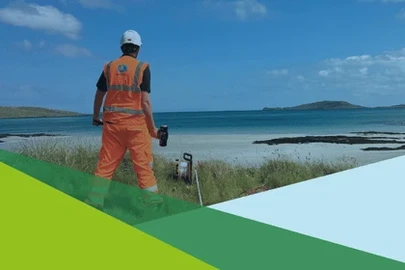
Online
Geophysics to Support Ground Investigation: Reduce Risk and Improve Ground Understanding
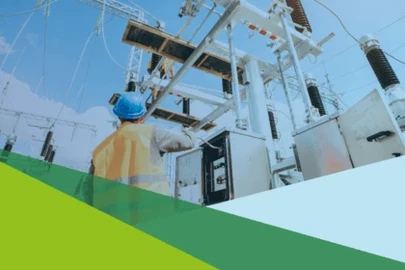
Online
An Introduction to LSTC Group and Their Role in Nationally Significant Infrastructure Projects (NSIPs)
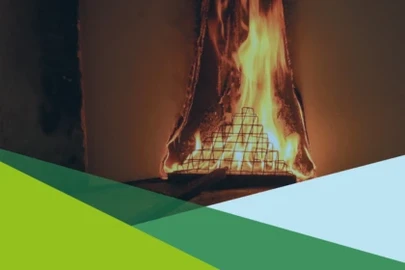
Online
A Practical Guide to BS EN 13501-1 Classifications with UKTC
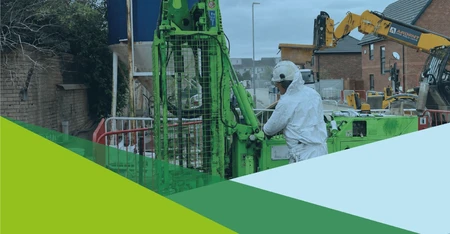
Online
Bioremediation Field Applications: Delivering Effective In-Situ Remediation Solutions

Online
Hydrographic Surveying: More Than Just Mapping the Seabed
SOCOTEC set to double Irish workforce by 2030 as part of huge investment
Read +
The hidden regulatory cost of adding Air Conditioning to existing buildings
Read +
SOCOTEC encourages further investment in Ground Investigation talent pipeline
Read +
You might also like
Get the latest updates about SOCOTEC, subscribe to our newsletter !