
Beach Erosion Surveys
We have delivered littoral surveys and beach erosion studies for many years, often through repeat surveys that build detailed datasets showing long-term shoreline change and sediment movement.
Coastal erosion is a natural process driven by tidal forces, wave action and extreme weather. Where erosion may lead to the loss of land or damage to nearby assets, understanding how beaches change over time becomes essential. Beach erosion surveys provide accurate, repeatable data to map these changes consistently.
SOCOTEC, formerly Aspect Land & Hydrographic Surveys Ltd, delivers specialist beach erosion surveys, drawing on extensive experience in littoral environments and long-term coastal monitoring projects across the UK.

Beach Erosion Surveys
How We Deliver Accurate, Repeatable Beach Erosion Surveys
Beaches are highly dynamic environments. Without reliable survey data, it can be difficult to:
- Understand how shorelines are changing
- Identify areas of erosion or accretion
- Quantify sediment movement over time
- Compare current conditions with historic datasets
Repeatable beach erosion surveys provide a robust evidence base for understanding coastal change and supporting informed, data-led decision-making.
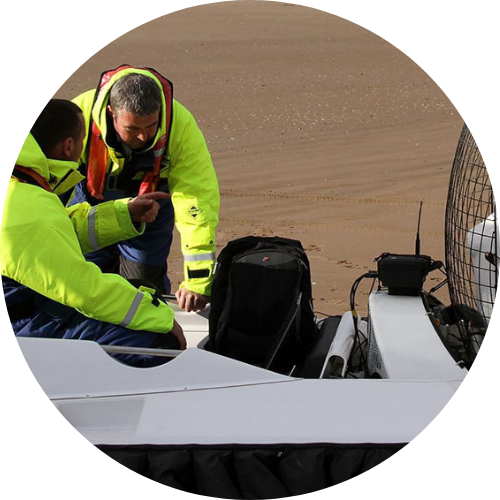
We deliver beach erosion surveys using proven methodologies tailored to site conditions, access constraints and tidal windows. Our teams work directly within the intertidal zone, selecting the most appropriate data capture techniques to achieve accurate and repeatable results.
As part of SOCOTEC, this work is supported by a wider network of geospatial and environmental specialists, ensuring survey data is consistent, reliable and clearly presented.
Beaches are highly dynamic environments. Without reliable survey data, it can be difficult to:
- Understand how shorelines are changing
- Identify areas of erosion or accretion
- Quantify sediment movement over time
- Compare current conditions with historic datasets
Repeatable beach erosion surveys provide a robust evidence base for understanding coastal change and supporting informed, data-led decision-making.
We deliver beach erosion surveys using proven methodologies tailored to site conditions, access constraints and tidal windows. Our teams work directly within the intertidal zone, selecting the most appropriate data capture techniques to achieve accurate and repeatable results.
As part of SOCOTEC, this work is supported by a wider network of geospatial and environmental specialists, ensuring survey data is consistent, reliable and clearly presented.
Why Beach Erosion Surveys Matter for Coastal Decision-Making
Beach erosion surveys enable you to:
- Map shoreline and beach change - Identify shifting sands and changes in beach profile over time.
- Quantify erosion and accretion - Measure areas of material loss or gain and calculate sediment volumes.
- Build long-term datasets- Compare current survey results with historic data to identify trends.
- Survey large or complex sites efficiently - Use mobile and aerial survey techniques within limited tidal windows.
- Access clear, usable outputs - Receive data presented in formats suitable for technical review and comparison.
Beach erosion surveys provide repeatable datasets that quantify shoreline movement, beach profile change and sediment volumes across littoral environments. By comparing survey data collected over time using GNSS, UAV and topographic techniques, our teams produce accurate Digital Terrain Models and difference maps that clearly identify areas of erosion and accretion, supporting evidence-based coastal management and infrastructure planning.
Beach Erosion Surveys
Why choose SOCOTEC
Specialist Littoral Survey Experience
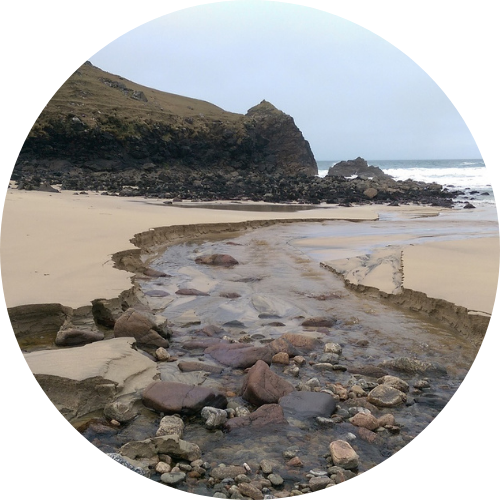
We have extensive experience delivering beach erosion and littoral surveys in dynamic coastal environments. Our teams understand the practical challenges of working within tidal windows and intertidal zones, enabling accurate and efficient data capture in complex shoreline conditions.
Repeatable Coastal Monitoring Methods
Our beach erosion surveys are designed to produce consistent, repeatable datasets that allow reliable comparison over time. By surveying along predefined profiles or defined survey areas, we build robust long-term datasets that clearly demonstrate shoreline change and sediment movement.
Flexible Survey Techniques for Coastal Environments
We apply a range of survey technologies depending on site conditions and project objectives, including GNSS topographic surveys, UAV photogrammetry, LiDAR and mobile survey platforms. This flexible approach enables efficient coverage of both small-scale monitoring sites and large coastal areas.
Clear, Quantifiable Coastal Change Data
Survey data is processed into Digital Terrain Models, erosion and accretion difference maps and volumetric calculations that quantify sediment movement. These outputs provide clear evidence of coastal change suitable for technical review, environmental assessment and long-term coastal management.
Integrated Geospatial and Environmental Expertise
Our beach erosion surveys are supported by a wider network of geospatial and environmental specialists, ensuring high-quality survey delivery and data outputs that integrate with broader coastal and environmental studies.
Specialist Littoral Survey Experience
We have extensive experience delivering beach erosion and littoral surveys in dynamic coastal environments. Our teams understand the practical challenges of working within tidal windows and intertidal zones, enabling accurate and efficient data capture in complex shoreline conditions.
Repeatable Coastal Monitoring Methods
Our beach erosion surveys are designed to produce consistent, repeatable datasets that allow reliable comparison over time. By surveying along predefined profiles or defined survey areas, we build robust long-term datasets that clearly demonstrate shoreline change and sediment movement.
Flexible Survey Techniques for Coastal Environments
We apply a range of survey technologies depending on site conditions and project objectives, including GNSS topographic surveys, UAV photogrammetry, LiDAR and mobile survey platforms. This flexible approach enables efficient coverage of both small-scale monitoring sites and large coastal areas.
Clear, Quantifiable Coastal Change Data
Survey data is processed into Digital Terrain Models, erosion and accretion difference maps and volumetric calculations that quantify sediment movement. These outputs provide clear evidence of coastal change suitable for technical review, environmental assessment and long-term coastal management.
Integrated Geospatial and Environmental Expertise
Our beach erosion surveys are supported by a wider network of geospatial and environmental specialists, ensuring high-quality survey delivery and data outputs that integrate with broader coastal and environmental studies.
Beach Erosion Surveys: Methods, Measurement and Outputs
What Is a Beach Survey?
A beach survey is a specialist coastal survey that records the shape, elevation and profile of a beach at a specific point in time. When repeated at regular intervals, beach surveys allow changes in shoreline position, beach slope and sediment volume to be measured accurately.
We specialise in littoral and beach erosion surveys, with many projects involving long-term repeat data collection to understand how beaches change over months or years.
Littoral and Beach Erosion Surveys
Our littoral surveys capture detailed topographic information across the intertidal zone. Surveys are typically repeated at set intervals, enabling consistent monitoring of shoreline change and sediment movement over time.
How Is Beach Erosion Measured?
Beach erosion is measured by comparing survey datasets collected over time. This typically involves:
- Capturing detailed elevation data across the intertidal zone
- Repeating surveys along consistent profiles or survey areas
- Comparing datasets to identify erosion or accretion
This analysis shows where material has been lost or gained and enables volumetric calculations to quantify sediment movement over a defined period.
How Do You Measure the Slope of a Beach?
Beach slope is measured using UAVs, GNSS and topographic survey techniques along predefined cross-shore profiles, or over specific areas of interest. Spot height and elevation data is captured from the backshore towards the waterline, allowing the gradient of the beach face to be calculated.
Understanding beach slope helps assess how a beach responds to wave action and changing tidal conditions.
What Are the Four Types of Coastal Erosion?
Coastal erosion occurs through several natural processes, commonly described as:
- Hydraulic action – wave impact forcing air and water into cracks
- Abrasion – sediment and shingle wearing away surfaces
- Attrition – material breaking down through collision
- Solution – chemical weathering of soluble materials
While these processes explain how erosion occurs, beach erosion surveys focus on measuring the physical effects of these processes by capturing real-world change.
Survey Techniques Used for Beach Erosion Surveys
A range of survey techniques can be applied, including:
- GNSS surveys along predefined cross-shore profiles
- 3D laser scanning to create detailed surface models
- UAV and LiDAR surveys for large-scale coastal mapping
The chosen approach depends on survey extent, access and site conditions.
Mobile Data Capture and Equipment
Where required, mobile survey platforms can be used to maximise coverage and efficiency, including:
- Survey boats
- 4×4 vehicles and quad bikes
- Commercially coded hovercraft
- UAV mounted Photogrammetry & LiDAR
Each platform is fitted with appropriate sensors to enable accurate data capture in a single pass.
Data Processing and Outputs
Survey data can be processed to deliver:
- Digital terrain models (DTMs)
- Isopachyte (difference) maps showing erosion or accretion
- Volumetric calculations quantifying material movement over a defined time period
Historic maps, aerial photography and video monitoring data can also be incorporated where available.


Discover latest News & Media
Geophysics to Support Ground Investigation: Reduce Risk and Improve Ground Understanding

Brownfield Suite of Testing - From India to the UK
Fire Strategies in Complex Buildings
Hydrographic Surveying: More Than Just Mapping the Seabed


How ecology surveys can keep your railway project on track