1 /

    BESA DW145 Compliant Fire Damper Testing and Documentation Services for Commercial and Residential Properties

    Fire dampers are critical components in building fire safety, preventing the spread of fire and smoke through ventilation systems. The industry faces challenges, including widespread non-compliance, lack of awareness, outdated systems, and maintenance difficulties. The Building Engineering Services Association (BESA) has updated its DW145 guidance to address these issues, mandating annual manual testing and inspection of fire dampers, with more frequent checks based on risk assessment.

    The regulations emphasize proper installation, detailed documentation of testing and maintenance records, and the use of qualified professionals for all fire damper-related work. These measures aim to enhance overall fire safety, ensure regulatory compliance, and improve the effectiveness of fire damper systems in protecting lives and property.

    Talk to our experts

    Stacey Wright

    Commercial Manager

    Commercial Manager

    stacey.wright@socotec.co.uk 07345 392020

    Wayne Neville (GIFireE - FSIDip)

    Technical & Operations Director, Fire Safety

    UK

    Technical & Operations Director, Fire Safety

    wayne.neville@socotec.co.uk 01869366545

    At SOCOTEC UK and Ireland, our Fire Safety Practice division is dedicated to providing comprehensive fire safety solutions that protect lives and property. Our expert team specialises in critical life safety components such as fire dampers,  which play a vital role in preventing the spread of fire and smoke through building ductwork.

    With our extensive experience and technical expertise, we assess your fire dampers to check they are fully compliant, functional, and contribute to the overall fire safety and resilience of your buildings.

    How can SOCOTEC support?

    We deliver excellence through our highly trained and qualified inspection professionals. With a proven track record trusted by industry leaders worldwide, we offer comprehensive Testing, Inspection, and Certification (TIC) solutions. Our commitment to digital excellence ensures modern reporting and documentation systems. By choosing SOCOTEC, you’re partnering with a global leader in risk management and asset integrity, dedicated to building trust for a safer and sustainable world.

    Fire Damper Testing Services

    Steps Involved in Fire Damper Testing

    • Locate all fire dampers using building schematics or conduct site surveys to identify positions.
    • Gain access through existing hatches or install new access panels where dampers are inaccessible.
    • Perform a visual inspection, checking for obstructions, corrosion, and proper installation within fire-compartment walls.
    • Clean damper blades and operating mechanisms, removing dust and debris that could impair closure.
    • Conduct a drop test by manually releasing the fusible link to verify the damper closes completely.
    • Reset the damper mechanism and replace the fusible link, ensuring the system is ready for emergency activation.
    • Record all findings, including damper condition, test results, and any anomalies in the installation.

    The Importance of Fire Damper Maintenance

    Regular maintenance of fire dampers is critical to ensuring their effectiveness in preventing the spread of fire and smoke. Properly maintained dampers enhance safety, comply with fire safety regulations, and ensure the longevity of the fire protection system.

    It also ensures operational readiness, guaranteeing that the dampers will function correctly in the event of a fire. This maintenance is crucial for meeting regulatory compliance, as it adheres to legal requirements and standards. Additionally, proper upkeep prevents wear and tear, thereby extending the lifespan of the dampers. Most importantly, it provides safety assurance by protecting building occupants through effective fire containment, ensuring that the dampers perform their critical role in emergency situations.

    Fire Damper Testing FAQs
     

      Fire Damper Testing UK
      01 / 03

      Fire damper testing represents a mandatory obligation under UK law. The Regulatory Reform (Fire Safety) Order 2005 establishes clear rules requiring designated Responsible Persons to ensure regular inspection and maintenance by competent engineers.

      British Standard BS 9999:2017 reinforces these legal requirements for fire damper compliance. All dampers must undergo annual testing as a minimum, regardless of their type or operation method. Buildings with dust-laden environments face more frequent testing schedules.

      Failure to meet these regulatory standards can result in significant penalties. The law places direct responsibility on building owners and managers to demonstrate ongoing compliance through comprehensive documentation and professional testing records.

      Following recommendations by the industry standard BS9999:2017, Fire dampers should be tested at least once every 12 months. Staying on top of inspections can help clear the accumulation of foreign materials, such as dirt, dust, and debris, that would impair the proper function of the dampers if missed and put building occupants at high risk.

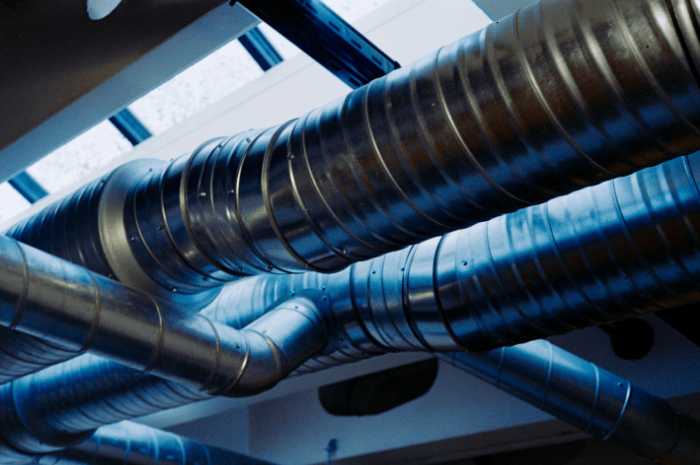
      Fire dampers are crucial components of a building's fire safety and compartmentation strategy. These devices are installed in ventilation systems, ductworks, walls and floors, and act as barriers to contain fire and smoke spread in the event of a fire.

      Key points about fire dampers:

      • They automatically close when fire is detected, effectively sealing off sections of ductwork
      • This containment helps limit fire and smoke damage
      • Fire dampers work in conjunction with other passive fire protection measures like fire-resistant walls and fire doors enabling the safe evacuation of building occupants and lessening fire damage
      • Their proper function is essential for allowing safe evacuation of building occupants

      Key DW145 Requirements: What You Need to Know

      1. Correct Installation

      Fire dampers must be installed with precision and care, following manufacturer guidelines to ensure structural integrity during a fire event. Our experts can assist you with:

      • Proper use of access panels
      • Correct damper orientation
      • Fire-rated sealing methods
      1. Routine Inspection and Testing

      Regular maintenance is crucial for fire damper effectiveness. DW145 mandates:

      • Manual testing and inspection at least annually
      • More frequent checks may be required based on risk assessment

      For comprehensive information on our fire damper testing services, please visit our dedicated Fire Damper Testing page at www.socotec.co.uk/our-services/building-control/fire-engineering

      1. Documentation and Record Keeping

      Maintaining detailed records is essential for compliance. SOCOTEC can help you develop and manage a comprehensive log that includes:

      • Installation details
      • Testing history
      • Maintenance work records
      • Access routes and damper locations

      This documentation must be readily available for inspection by relevant authorities.


      All buildings with fire dampers installed must comply with annual testing requirements under BS 9999:2017 and the Regulatory Reform Fire Safety Order 2005. This applies to commercial properties, healthcare facilities, educational institutions, residential blocks, and industrial premises where dampers form part of the ventilation system. Buildings over 300 square metres typically require damper installation, making testing mandatory regardless of property type or occupancy once these safety devices are present.

      The answer is yes and no, as it depends on the type of fire damper you have installed.

      Mechanical fire dampers:

      These do not require power to function. They use fusible links that melt at high temperatures (typically around 74°C), causing the damper to close automatically.


      Electronic fire dampers:

      These are integrated with building fire alarm systems and do require power to operate. However, they are designed with a fail-safe mechanism:

      • In the event of a power failure, they will automatically close to their fire-safe position.
      • This crucial feature means they don't typically need a separate emergency power supply or battery backup.

      Motorised dampers:

      These may be used for both fire and smoke control. While they use power for normal operation, they are also designed to fail-safe, closing automatically if power is lost.

      Key considerations:

      1. Regular testing and maintenance are essential for all types of fire dampers to ensure proper function during an emergency.
      2. The specific requirements for your building will depend on its design, use, and applicable fire safety regulations.
      3. SOCOTEC's fire engineering team can assess your building's needs and ensure your fire dampers are correctly specified, installed, and maintained.

      Remember, fire dampers are just one part of a comprehensive fire safety strategy. At SOCOTEC, we take a holistic approach to fire protection, helping you create safer, more resilient buildings


      Fire and smoke dampers are essential fire safety products that are required by fire codes in numerous areas throughout a building, such as stairwells and near exits.

      Typical places where fire dampers are required include:

      • Ductwork passing through fire-rated walls, floors, or ceilings
      • At penetrations of fire-rated shafts and barriers
      • In HVAC systems where ductwork crosses fire compartment boundaries
      • In buildings with complex ventilation systems or high occupancy levels

      Fire dampers are critical components of a building's fire safety strategy, designed to prevent the spread of fire and smoke through ventilation systems. They enhance the overall fire safety within a building as they work alongside other passive fire protection measures to contain the spread of a fire through a building. This helps to minimise fire damage and more importantly, protect lives.

      Key reasons for installing fire dampers:

      • Compartmentation: Fire dampers work in conjunction with other passive fire protection measures to maintain the integrity of fire-resistant compartments within a building.
      • Smoke control: They help prevent smoke from spreading through ductwork, which is crucial for safe evacuation and firefighting operations.
      • Building code compliance: Many building regulations require the installation of fire dampers in specific locations to meet safety standards.
      • Structural protection: By containing fire and smoke, dampers help maintain the building's structural integrity, giving emergency services more time to respond effectively.

      Fire dampers are made from galvanised steel and can be vertical or horizontal, depending on the way that it shuts the ducting closed. The type of application will determine the type of damper required.

      Fire dampers should be inspected and maintained at least annually. Some regulations may mandate more frequent checks depending on the building type and usage.

      Why is fire damper maintenance so important?

      1. Operational readiness: Regular maintenance ensures your fire dampers will function correctly when needed most - during a fire emergency.
      2. Regulatory compliance: Proper maintenance helps you meet legal requirements and industry standards, avoiding potential fines and liability issues.
      3. Extended lifespan: Regular upkeep prevents wear and tear, maximising the longevity of your fire dampers and providing better value for your investment.
      4. Safety assurance: Well-maintained fire dampers are essential for effective fire containment, protecting lives and property in the event of a fire.
      5. Performance optimisation: Routine checks allow for early detection of issues, ensuring your fire dampers perform at their best.

      Maintenance should be performed by qualified professionals with expertise in fire safety systems, they will be able to assess and address any issues they find which will help keep your fire dampers in optimal condition.

      Yes, they must be replaced after a fire incident. Here's why:

      • Integrity compromised: The intumescent parts of a fire damper, which are crucial for its operation, cannot be restored to their original state after exposure to fire.
      • Safety first: To ensure the continued effectiveness of your building's fire safety system, replacement is essential.
      • Regulatory compliance: Replacing fire dampers after a fire incident is necessary to meet building safety regulations and standards.
      • Risk mitigation: Using a fire damper that has been exposed to fire could potentially compromise the safety of building occupants in future emergencies.

      SOCOTEC's fire engineering experts recommend a thorough inspection of all fire dampers following any fire incident, no matter how minor it may seem.

      Want to find out more about how we can support you with Fire Damper Testing Services ?

      You might also be interested in:

      Filter by :
      Tags
      Period
      Event Type
      Free

      Talk to our experts

      Stacey Wright

      Commercial Manager

      Commercial Manager

      stacey.wright@socotec.co.uk 07345 392020

      Wayne Neville (GIFireE - FSIDip)

      Technical & Operations Director, Fire Safety

      UK

      Technical & Operations Director, Fire Safety

      wayne.neville@socotec.co.uk 01869366545