CPT Test Solutions -
Cone Penetration Testing Services
CPT represents a sophisticated penetration test method which can be used to rapidly obtain information on variations in soil type and properties with depth.
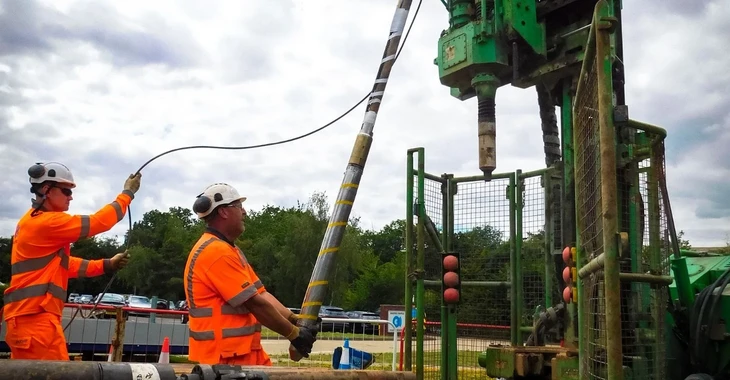
The electric cone is pushed into the ground on rods using a CPT rig. Tip resistance, friction and dynamic porewater pressure are measured by transducers in the cone, which are connected to the surface via an umbilical cable. The test gives a continuous output from the sensors which can be interpreted to provide a profile of soil type and strength. Correlation with other geotechnical properties can often be carried out.
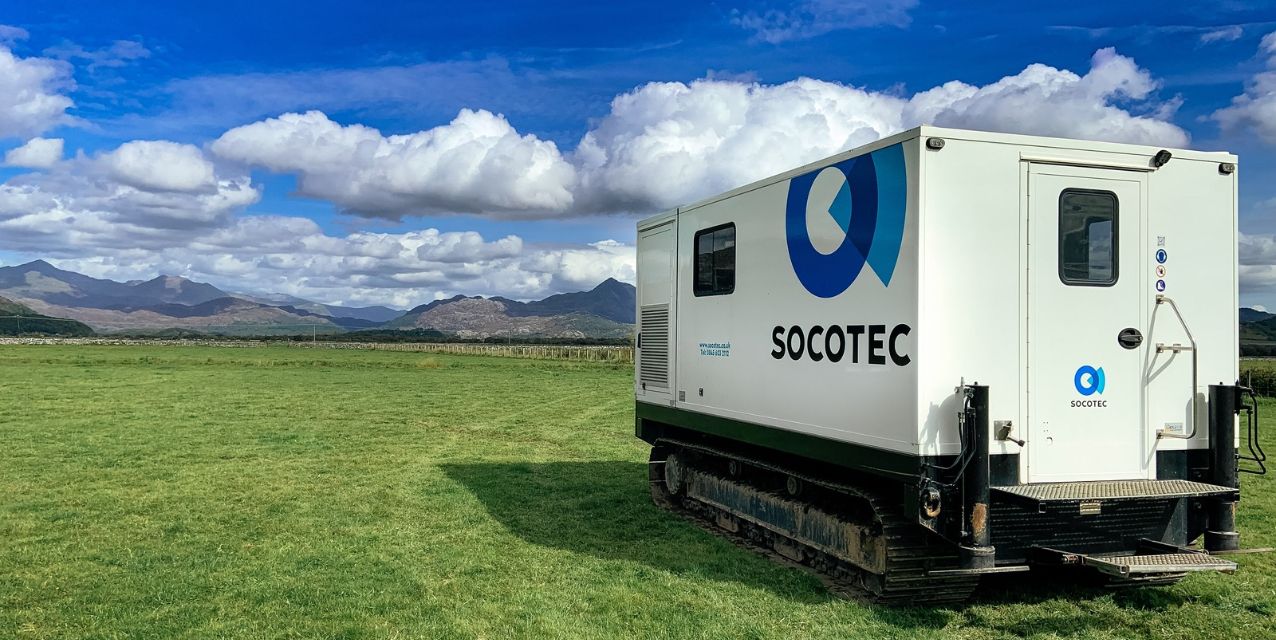
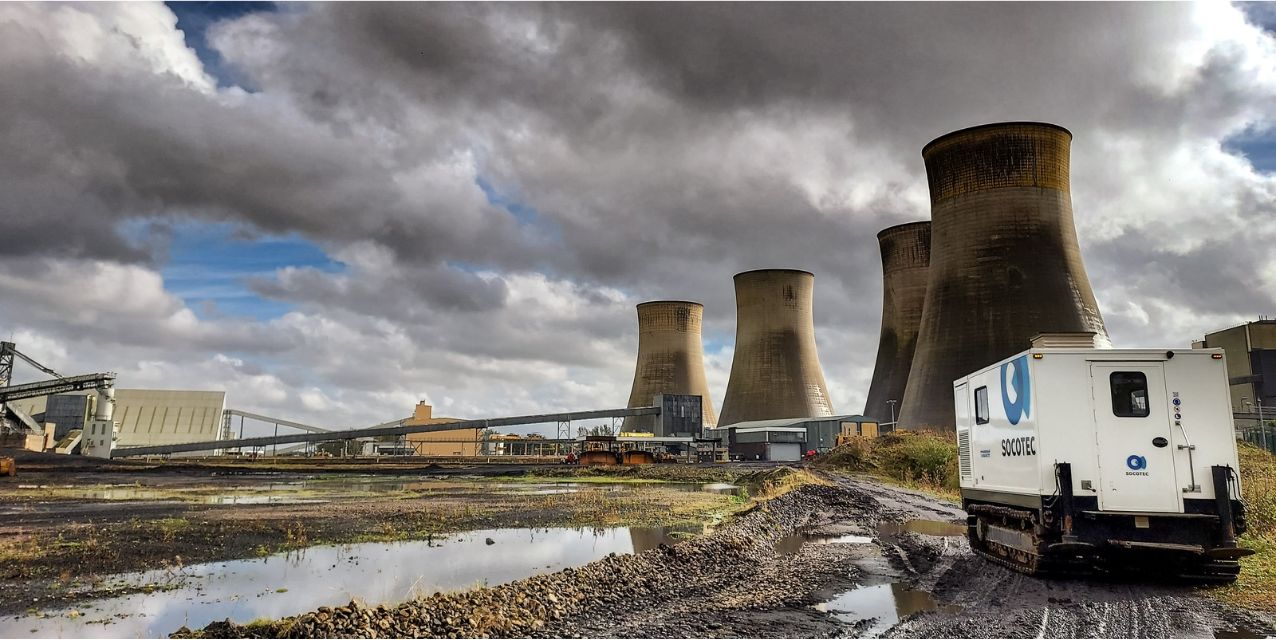
SOCOTEC has a range of CPT rigs to suit a wide variety of site access and testing requirements, making CPT a versatile and cost effective method for ground investigation.
Field data can be provided on completion of each test and processed data within 24 hours. The data is also reported in AGS4 digital format.
Cone Penetrometer Test Rigs

Talk to our experts

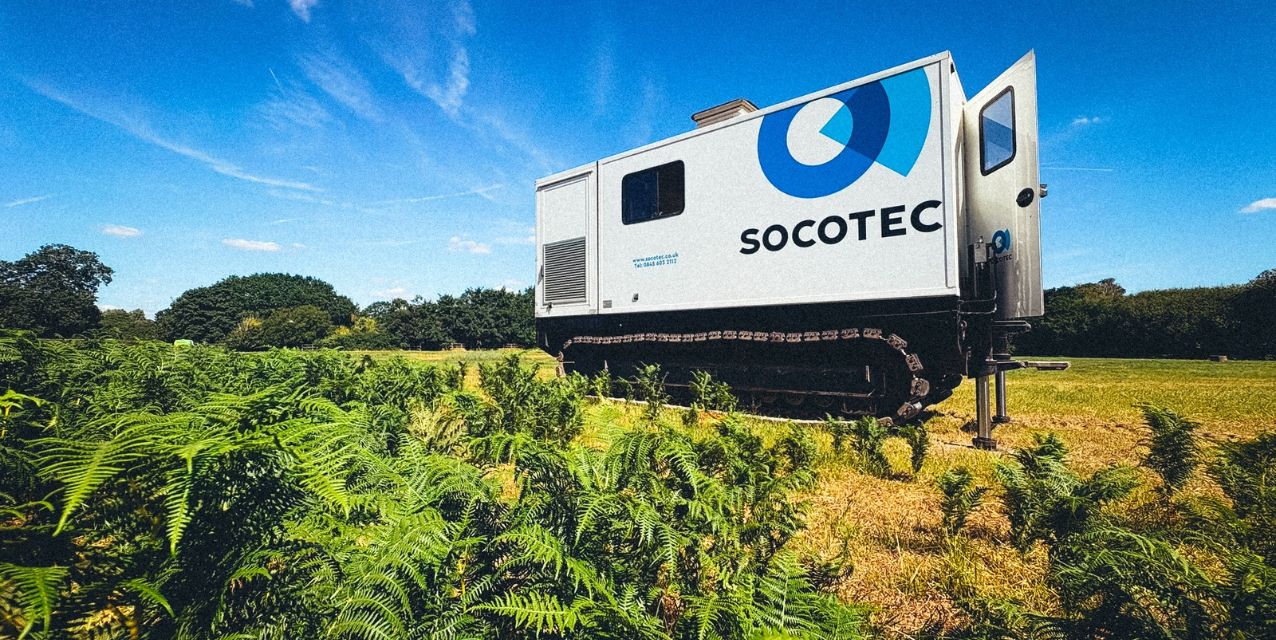
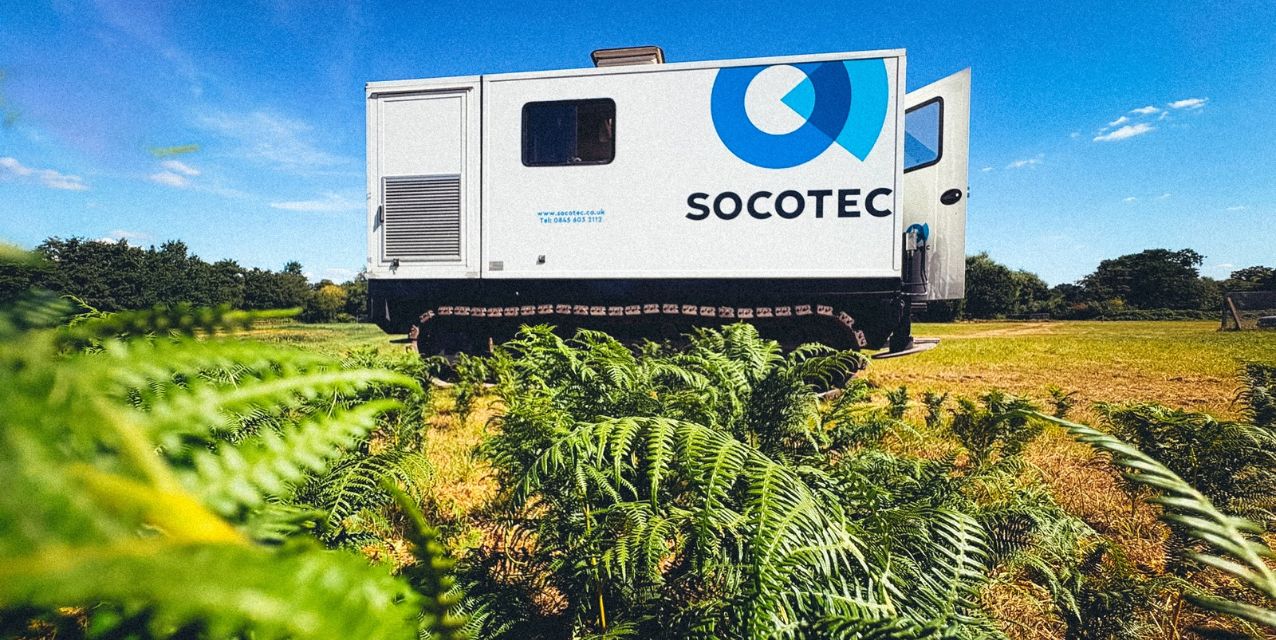
- 20 tonne fully enclosed heavy crawler with self-levelling jacks
- 9 tonne rubber tracked crawler
Cone Type
- Electric cone and piezocone – measurement of tip resistance, sleeve friction, pore pressure and inclination
- Dissipation test – measurement of pore pressure behaviour
- Seismic cone – measurement of downhole shear wave velocity and small strain shear modulus
- Magnetometer cone – measurement of magnetic field for detection of UXO
- Cone pressuremeter – see Pressuremeter Testing
- Flat blade (Marchetti) dilatometer – see Pressuremeter Testing
- Field vane – see In Situ (Field) Testing
- Mostap sampler – recovery of 1m long tube samples in protective sock
CPT Test for Soil
The Cone Penetration Test (CPT) is a fundamental method in geotechnical engineering, crucial for determining the properties of soils. By pushing a cone, connected to a series of rods, into the ground at a constant rate, we gather continuous data on the soil's resistance to penetration. This provides invaluable insights into the soil's characteristics.
During the test, we measure the tip resistance—the stress on the cone's tip—and the sleeve friction, which is the resistance on the surface sleeve. These measurements are key to identifying soil type and stratigraphy. Some CPT devices also record the porewater pressure, offering additional information about the soil's water content.
The friction ratio, defined as the ratio of sleeve friction to tip resistance, is another critical parameter. High friction ratios typically indicate clayey soils, while lower ratios suggest sandy soils.
CPT Test Results
The results of the CPT test provide a comprehensive understanding of the soil's mechanical properties and stratigraphy. They are usually presented as a graph, with the depth of the test on the vertical axis and the measured parameters—such as tip resistance, sleeve friction, and porewater pressure—on the horizontal axis. This graphical representation allows for an easy identification of different soil layers and their properties.
The parameters can be further analysed to determine specific soil characteristics. For example, the friction ratio can be used to identify the type of soil: high values usually correspond to clayey soils, while lower values suggest sandy soils.
In addition, the porewater pressure data can offer insights into the soil's drainage characteristics and potential for liquefaction, which is crucial for certain construction projects.
Lastly, the test results are often compared with soil samples taken from the site for further accuracy. This comparison is essential for validating the CPT data and ensuring a thorough understanding of the soil conditions.
CPT testing offers several advantages. It minimizes soil disturbance and boasts high production rates, making it a cost-effective choice for ground investigations. At SOCOTEC, we provide our clients with accurate, actionable data, ensuring every project is built on a solid foundation with CPT testing services.

Specialist Magnetometer Testing: Intrusive UXO Surveys
Our range of specialist magnetometer testing services aim to support the infrastructure, construction, building and real estate sectors to overcome challenges inherent in geotechnical ground investigations.
In construction and development, the need for accurate subsurface information is paramount. Our Magnetometer Testing services provide a proactive solution to the ever-present risk of Unexploded Ordnance (UXO) in areas with historical military activities, ensuring the safety and security of your projects. Simultaneously, our Cone Penetration Testing (CPT) offers a comprehensive understanding of soil conditions, addressing uncertainties related to ground stability and optimising foundation design.
These solutions not only save valuable time and costs but also contribute to efficient, compliant, and data-driven decision-making throughout the project lifecycle.
We are highly experienced in carrying out specialist in situ testing capable of obtaining geotechnical information in many different ground conditions. As the first ground investigation company to use pressuremeters in the early 1980s, we continue to be at the forefront of adopting new innovative technologies.

Learn more
Equipped with magnetometer sensors, our Magnetometer CPTs are adept at detecting iron-containing objects beneath the subsurface. The measuring principle of the magnetometer is based on the detection of magnetic irregularities in the earth’s magnetic field caused by iron-containing objects.
Whether we are mapping UXO or determining the position of metallic structures like retaining or tieback anchors, our magnetometer tests ensure precision. This advanced technology is instrumental in identifying magnetic irregularities, particularly vital for pinpointing UXO during intrusive surveys.
Our cones play a crucial role in mapping objects such as UXO and can be utilised alongside our combination piezocone. This allows for the simultaneous investigation of geotechnical engineering properties, offering you both cost and time-saving benefits.
When used for intrusive unexploded ordnance clearance, our operatives monitor the magnetometer readings on site. Should any significant anomalies be detected in the output our operations team will discuss the next step in the UXO risk mitigation process with the assistance of a third-party UXO specialist. A full UXO clearance report can be produced on completion of works.
The magnetometer can detect objects within a maximum radius of 2 meters dependent on the size of the disturbance and soil profile and is suitable for:
- Detection of UXO.
- Measurement of the length of sheet pile foundations.
- Determination of the position of metallic retaining or tieback anchors.
- Our rigs can survey either single pile positions or clusters for deeper site excavation works – surveying to depths of up to ~25m.
- Suitable on brownfield sites or sites where the presence of made ground may preclude a non-intrusive UXO method. Surveys to significantly greater depths are achievable compared to non-intrusive mitigation measures.
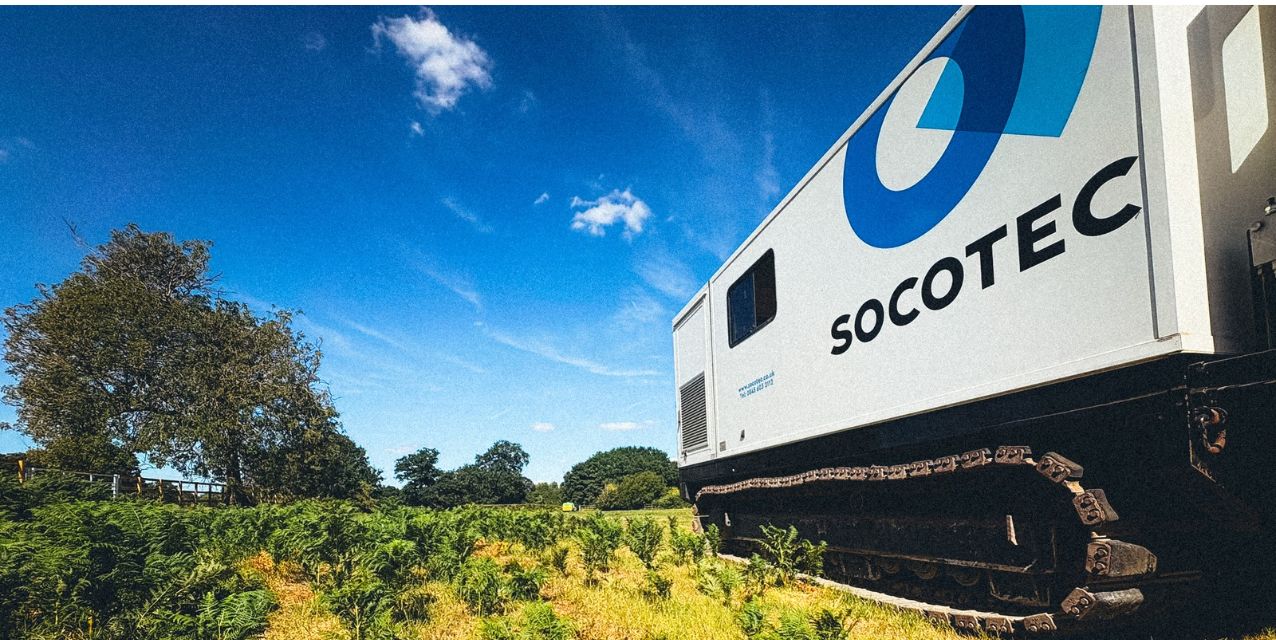
We carry out CPT using crawler units fitted with polyurethane track pads to protect sensitive surfaces and our CPT equipment includes:
- Electric friction cones and piezocones – for assessment of soil stratigraphy and strength
- characteristics.
- Dissipation tests can be carried out to estimate consolidation properties.
- Seismic cone – for measurement of shear wave velocity profile and determination of shear
- modulus.
- MOSTAP sampling – for recovery of undisturbed samples.
- Vane testing – for strength measurement of softer clays.
- Push-in pressuremeters
Supporting your sectors
Want to find out more about SOCOTEC's Site Investigation services?
You might also be interested in:

Talk to our experts