Need some advice?
Leave your details and we will get in touch.
I want to be contacted by an expert
1 /

Flow surveys are used to measure the depth, velocity, and flow of surface and wastewater systems, ensuring regulations are met and any potential issues are identified. Many factors go into ensuring a flow survey is carried out well, including the equipment type, site selection, and data calibration.

The monitoring site selected can impact the quality of data gathered during flow surveys due to the state of the pipes, hydraulics, and surrounding environment – even the best measurement technology is no substitute for good site selection. Issues can be caused by external factors such as complex traffic management needs or private land permissions.
When assessing sites for flow surveys, it’s always a good idea to review historical data for the site and do a desktop study to assess the location for access suitability as there can be issues for locating the site and sufficiently carrying out the work.
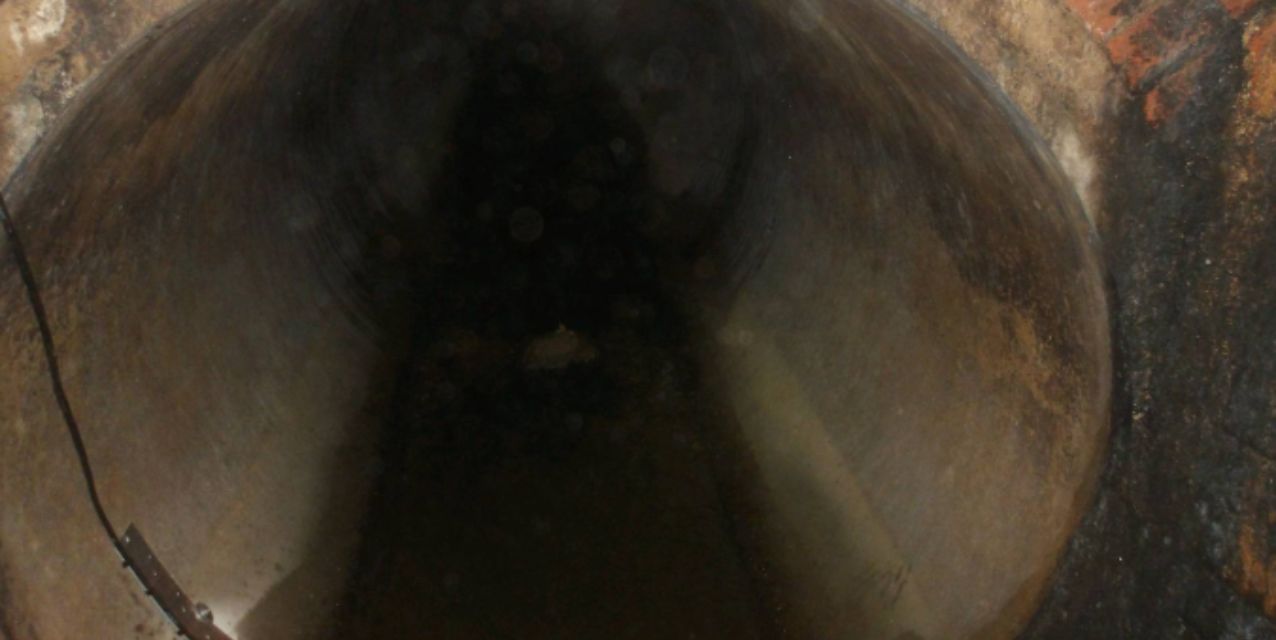
Once on site, good hydraulic conditions are necessary for accurate data. Good results can be made difficult by silt, exit pipes, upstream bends, drawdown, turbulence, and small 150mm circular pipes as the sensors have to be installed in the channel.
Data imbalance can be caused by ragging, siltation, or poor hydraulics so sites with these features should be avoided where possible.
Pipe size measurements are necessary when correctly calculating the flow. As pipes can be difficult to measure, three independent pipe measurements should be taken. Depth of flow (DOF) measurements are taken using a ruler and velocity measurements taken using a handheld portable velocity monitor – these measurements are needed for calibration and site confirmations.
Correct installation of the equipment allows for good data quality. Flow balancing checks are necessary for ensuring accurate calibration, including checking the equipment is installed in the right location, confirming the pipe size and shape is correct, and reviewing the raw data online, field paperwork, and any photos or CCTV footage to look for hydraulic issues.

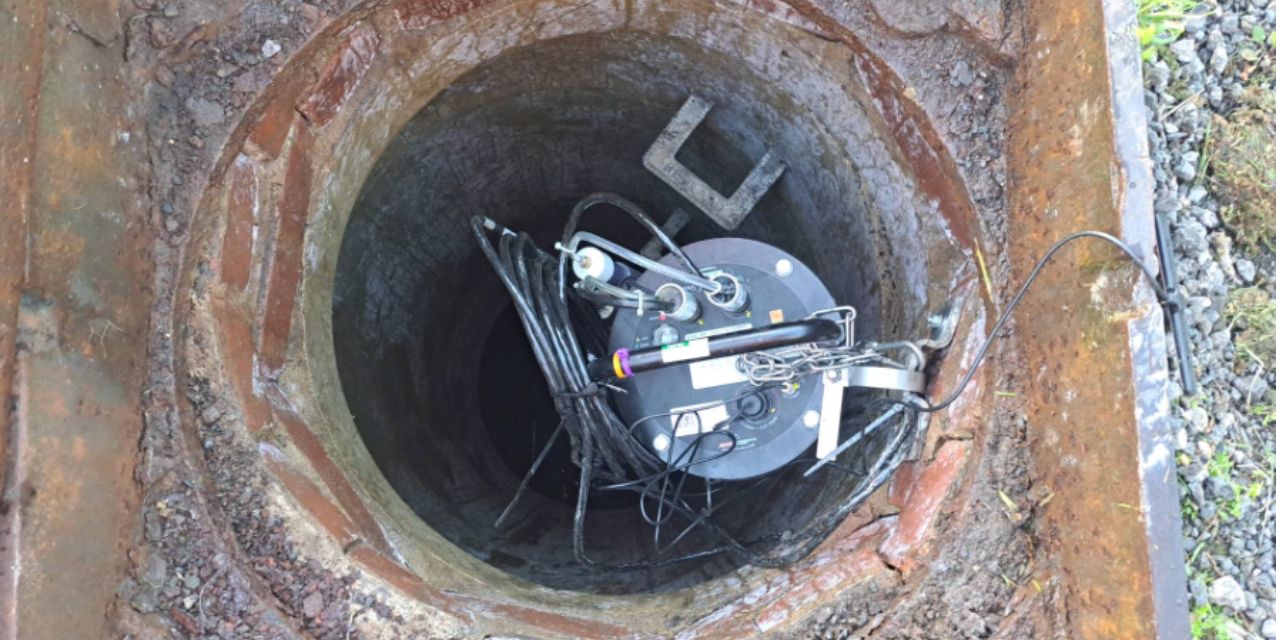
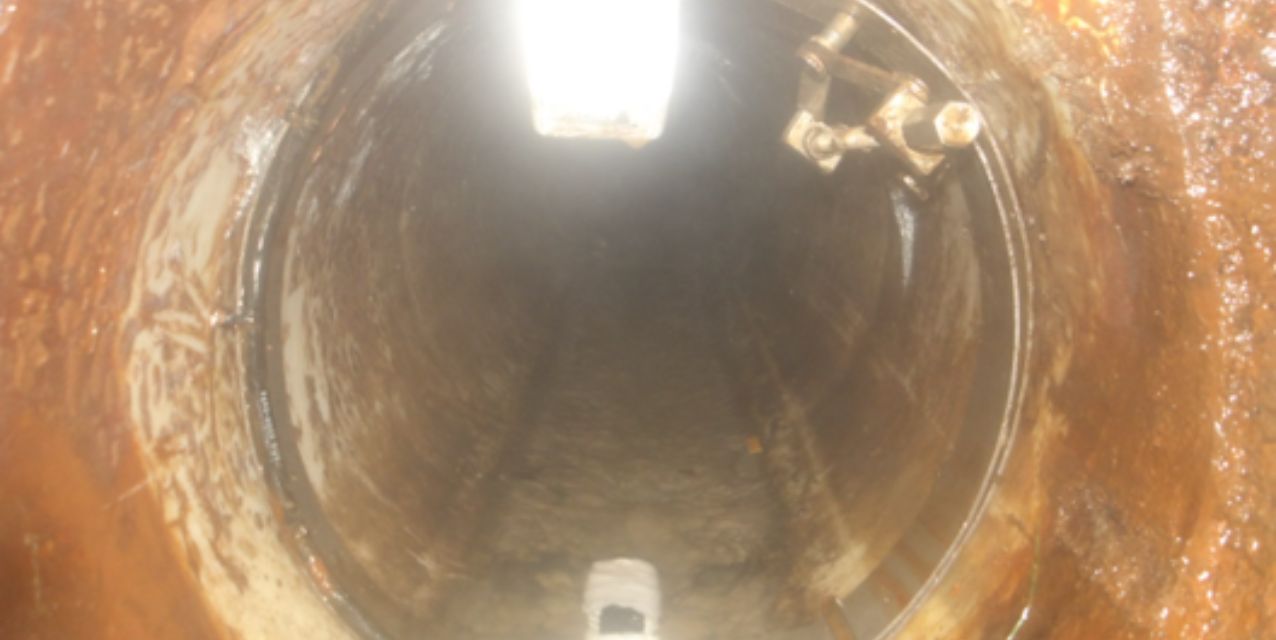
SOCOTEC UK & Ireland uses Dual Sensor Flow Monitoring technology, implementing dual sensor equipment that combines pipe invert and soffit sensors, using multiple measurement technologies. The best approach for wastewater management is to use dual sensor technology with ADS Triton because three individual depth measurements and two independent velocity measurements are taken.
Dual sensor technology is beneficial because if the pressure sensor fails to work for a period of time, the ultrasonic data will still be recorded, or vice versa – it ensures continuous measurement collection. Multiple sensor technology also helps the calibration process due to several sensors recording the same data set for depth and velocity.
For rain gauge locations, water company assets are a good starting point. Traditional sites like schools, offices, and garages are not as secure and, as a result, are liable to interference. Data issues can sometimes be a problem when using rain gauges due to them becoming blocked, having access issues, or being a target for vandalism or theft.
SOCOTEC’s BlueTrust Monitoring platform and ADS Prism platform are used to record and track all data collected through the flow surveys. The software generates reports and makes the data and accompanying images accessible to the client, as well as sending out alerts for warning and critical levels detected by the flow monitors. The images provided on the monitoring platform are to support the data analyst’s understanding of the elements at the site and sufficiently calibrate the data.
For more information regarding SOCOTEC’s flow survey services, please contact us.