Need some advice?
Leave your details and we will get in touch.
I want to be contacted by an expert
1 /

The role of ecology and biodiversity in real estate is intrinsically linked with decarbonisation efforts and the fight against climate change; the regeneration of nature can work against climate change’s impact on the loss of biodiversity.

Biodiversity encompasses the living organisms and ecosystems that underpin natural systems and human well-being. However, growing urbanisation and rising indoor lifestyles are contributing to an increasing disconnection between people and nature.
The UK’s Biodiversity Net Gain (BNG) 2024 legislation introduces a mandatory 10% net gain in biodiversity value as a minimum requirement for both major projects and small sites, placing responsibility on the developer to enhance the ecosystem. This ensures that developers leave the environment in a more biodiverse state than it was prior to the developments.
Within real estate, a design approach that focuses on biodiversity and ecology can generate an overall improvement in the quality and sustainability of a building or project. Biodiversity is a strategic priority for cities, buildings, and real estate assets as it is a structural component of our economic and territorial systems.
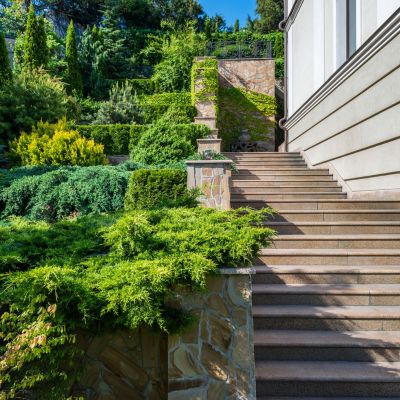
Human activities are accelerating biodiversity loss and ecosystem degradation, with the real estate industry playing a large part in this through land consumption. Integrating biodiversity into real estate strategies can reduce climate-related risks, enhance asset value and resilience, improve occupant well-being, lower construction and operational costs, and support sustainability certifications.
The benefits of incorporating biodiversity and nature-based solutions into real estate include the way in which biodiversity supports essential ecosystem services with climate regulation, stormwater management, air quality improvement, and flood risk mitigation.
Healthy ecosystems can in turn strengthen urban resilience to heatwaves, extreme rainfall, and other climate-related hazards – this helps reduce physical risks and potential damages, lowering the chance of unexpected costs.
Biodiverse environments improve physical and mental well-being, social interaction, and quality of life – which can translate into higher tenant satisfaction.
Human activities are accelerating biodiversity loss and ecosystem degradation, with the real estate industry playing a large part in this through land consumption. Integrating biodiversity into real estate strategies can reduce climate-related risks, enhance asset value and resilience, improve occupant well-being, lower construction and operational costs, and support sustainability certifications.
The benefits of incorporating biodiversity and nature-based solutions into real estate include the way in which biodiversity supports essential ecosystem services with climate regulation, stormwater management, air quality improvement, and flood risk mitigation.
Healthy ecosystems can in turn strengthen urban resilience to heatwaves, extreme rainfall, and other climate-related hazards – this helps reduce physical risks and potential damages, lowering the chance of unexpected costs.
Biodiverse environments improve physical and mental well-being, social interaction, and quality of life – which can translate into higher tenant satisfaction.
Buildings are an opportunity to enhance urban biodiversity by creating ecologically valuable green spaces to support local wildlife and biodiversity, as well as promoting biophilic design and ecologically connected buildings. The aim with ecological incorporation into real estate is to reduce the island effect of individual structures and create a more interconnected and resilient urban ecosystem that benefits both nature and human life, while working with the environment rather than against it.
Nature can be integrated into the core design strategy for buildings – nature-based solutions (NBS) should be treated as an integral component and not just a decorative or secondary feature. By assessing the ecosystem, an ecologist can support certification schemes and provide advice for the different measures that can be implemented to promote biodiversity. This includes green infrastructure, nature-based engineering and water management, landscape integration, and support for local wildlife.
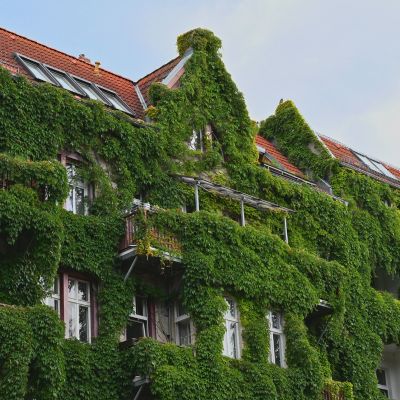
The Site Biodiversity Value (SBV) index measures changes in the biodiversity of a site before, during, and after human transformative interventions. This method assesses different parameters that reflect the ecological features of the site – ecological, functional, structural, and biogeographical – while also considering elements connected to climate change such as drought resistance.
Using the SBV method from the beginning of a project allows for continuous monitoring of biodiversity gain and is useful for informing decisions regarding the measures to be integrated into a real estate project to encourage ecosystem growth.
Investing in nature within real estate is also an investment in people, performance, and long-term asset value. The goal is to bring people closer to nature and improve liveability and well-being even in highly urbanised locations.
The Site Biodiversity Value (SBV) index measures changes in the biodiversity of a site before, during, and after human transformative interventions. This method assesses different parameters that reflect the ecological features of the site – ecological, functional, structural, and biogeographical – while also considering elements connected to climate change such as drought resistance.
Using the SBV method from the beginning of a project allows for continuous monitoring of biodiversity gain and is useful for informing decisions regarding the measures to be integrated into a real estate project to encourage ecosystem growth.
Investing in nature within real estate is also an investment in people, performance, and long-term asset value. The goal is to bring people closer to nature and improve liveability and well-being even in highly urbanised locations.
Want to find out more about...